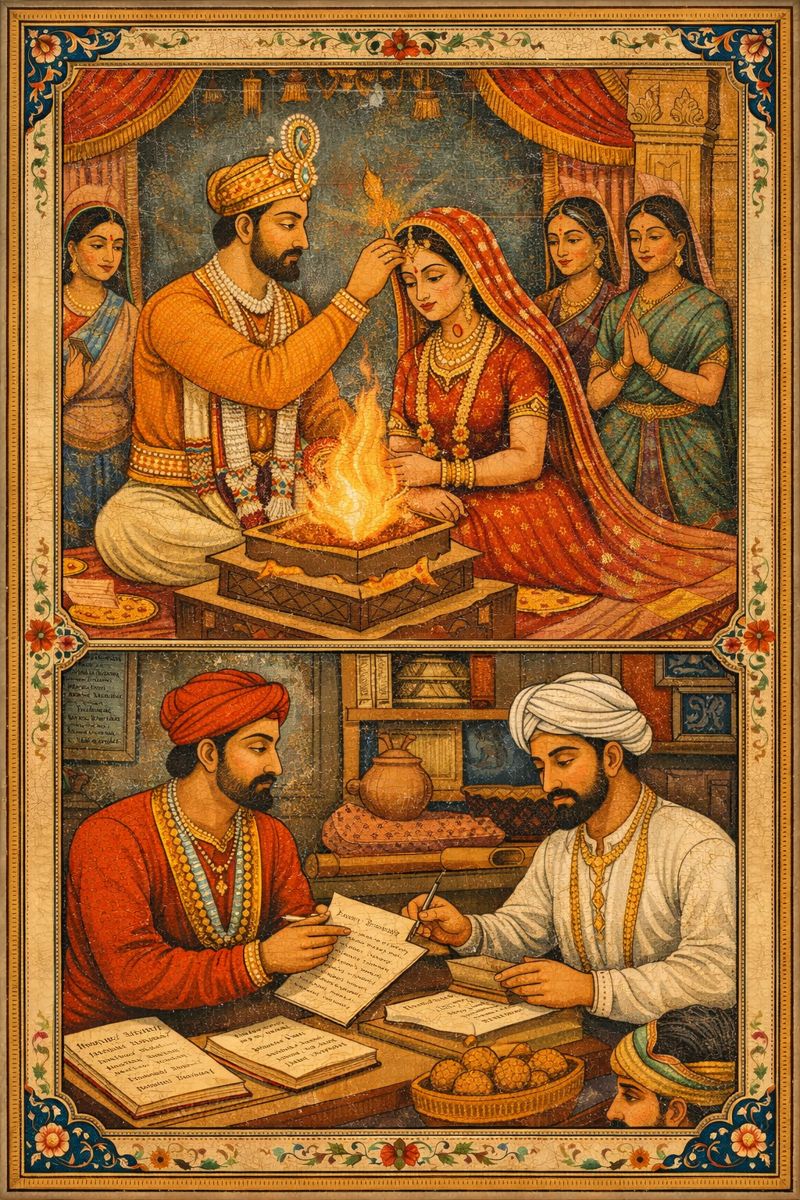
7th House Marriage Timing (Vedic Astrology): Saptam Bhava, Partnerships, and Contracts
Seventh House / सप्तम भाव
- Contracts and justice in partnerships.
- शुक्रगृह / śukra-gṛha / Shukra-griha — the house of Venus (Shukra / शुक्र).
- Attraction, love, beauty, equity, and balance.
- Spouse, marriage, business partners, clients, and public dealings.
Intimate themes: vulnerable exchange, sacred union, authentic presence, and shared trust.
The Seventh House (सप्तम भाव) is the house of partnership and marriage (विवाह और साझेदारी). It governs spouse-bond, legal alliances, contracts, and one-to-one public relationships.

Keywords & Concepts
- Marriage / Spouse – विवाह / जीवनसाथी
- Partnerships / Contracts – साझेदारी / अनुबंध
- Open Enemies – प्रत्यक्ष शत्रु / स्पष्ट विरोधी
- Business Partners & Clients – व्यावसायिक साथी और ग्राहक
- Public Image in Relationships – सार्वजनिक संबंधों में छवि
- One-to-One Interactions – एक से एक बातचीत
- Balance & Harmony – संतुलन और सामंजस्य
- Justice & Fairness – न्याय और निष्पक्षता
- Venus (Shukra) Influence – शुक्र ग्रह का प्रभाव
- Client-facing earnings and one-to-one settlement themes.
Practical Notes
Benefic planets in the 7th often support harmonious partnerships and successful unions. Malefics can create conflict, but can also bring decisive action and boundaries.
Lord Rama’s Seventh House Example
In Lord Rama’s chart, the 7th House placement is strong, with exalted Mars forming Ruchaka Yoga, reflecting powerful public partnerships and marriage potential.
The 7th lord and aspects from malefic/benefic planets color marriage outcomes, public disputes, contractual success, spouse qualities, and business partnership dynamics.
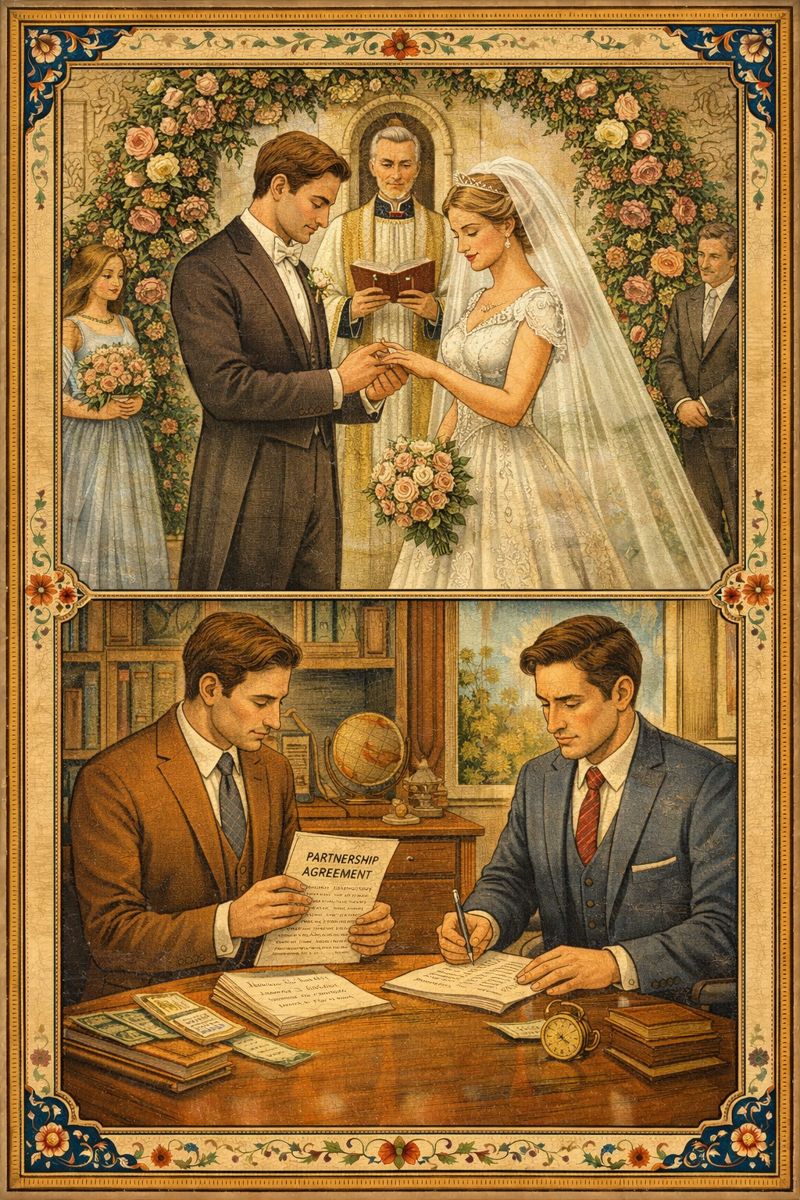
Seventh House + Marriage, Contracts & Public Relations
The Seventh House is the house of one-to-one life. It covers marriage, committed partnership, public agreements, and legal contracts. It also shows how you handle cooperation, conflict, and shared responsibility. When planets influence this house, they shape the tone of your bond: peaceful, intense, delayed, practical, or deeply karmic.
Timing & Marriage
Marriage timing should be judged through convergence, not a single shortcut. In practical work, the strongest results come when dasha and transit both point to the same period. If only one factor is active, results are often weak, delayed, or temporary.
Top 2 Strongest Timing Triggers (Practice-Based)
- Dasha trigger: sub-periods (antar-dasha) of Venus and Rahu, with special focus on activation of the 7th Navamsha lord and 1st Navamsha lord. This often opens the internal readiness phase for commitment, proposal, engagement, or formal union.
- Transit trigger: transiting Rahu-Ketu over key points such as natal Lagna, natal Chandra, natal nodes, natal Venus, Navamsha Lagna, Navamsha Chandra, or Navamsha nodes. These windows frequently mark visible relationship events, including social recognition of the couple.
Three-Rule Marriage Timing Filter (Expert Use)
I apply a practical three-step filter before confirming marriage timing. Step 1: a marriage-supporting bhukti must run. Step 2: nodal transit should touch key natal or Navamsha points. Step 3: the same trigger planet should have enough strength to deliver commitment, not just attraction.
This prevents overprediction. Many charts show desire, but only a smaller number show legal/social consolidation into marriage.
Bhukti Signatures in Real Cases
Marriage timing schedule implicit in bhuktis:each bhukti can carry a different marriage psychology and social outcome. The event may be marriage in all cases, but the motive, atmosphere, and durability pattern can be very different.
- Shani bhukti: can become a marriage-maker during survival pressure, duty pressure, widow/er responsibility, child-care obligation, or social constraint. Even when Shani is not L-1 or L-7 in Navamsha, severe life pressure can force a practical marriage decision. Such unions are usually duty-oriented, protective, and materially realistic.
- Shukra bhukti: often brings romance, attraction, beauty, comfort, and companionship themes. The relationship may emphasize pleasure, lifestyle, and emotional sweetness depending on Venus strength in nativity. A strong Venus can promise comfort, luxury, and sensual companionship, but may show lower tolerance for austerity or hardship.
- Rahu bhukti: can produce fast, intense, boundary-crossing marriage patterns, often involving cultural/religious/class difference, taboo themes, psychological intensity, possessiveness, or urgent commitment behavior. These are often "hot-house" unions: very strong pull, fast movement, and a deep desire to cross social or psychological boundaries.
- 1st/7th Navamsha-lord bhukti: often creates strong mirroring attraction. Each partner carries traits the other needs to activate, producing deep psychological pull and role-complement in public/private life. This can look like a compensation bond where inner/outer roles naturally split.
- Important Venus-dasha note: any supportive bhukti running inside Venus maha-dasha can also deliver marriage, especially when transit and Navamsha confirmations are active in the same window.
One Major Mistake This Page Corrects
Many people judge marriage timing only from the 7th lord from Lagna. That is not wrong, but it is incomplete. Jyotisha requires a combined method: dasha sequence, transit confirmation, Venus factors, Navamsha lords, and nodal triggers. One-planet prediction gives partial truth, but not reliable timing.
Additional Key Factors
I also include the 7th from Chandra and Dara Karaka (DK), because they are highly relevant in mate-selection, engagement phases, and emotional readiness. Nodal activations often mark social or physical recognition of the couple, or a sudden shift in relationship status.
For long-term outcomes, emotional coherence matters more than physical attraction. In this view, DK and Navamsha lords are central for durability. Rahu is treated as a lunar node (not one of the 7 classical graha), while Venus can produce deep attraction and strong bonding potential. Attraction can start a relationship, but emotional quality decides whether it survives time.
Read timing as probability windows, then confirm through lived maturity, practical decisions, family context, and actual relationship behavior. Timing shows opportunity. Stability is created by character and action.
Career & Partnership Significance
The 7th house is important for business partners, client relationships, and contracts. Strong 7th placements help form lasting alliances and public cooperation.
In simple words — 7th House (सप्तम भाव)
Positive effects: harmonious relationships, successful partnerships, and cooperation. Negative effects: conflicts, open rivals, litigation, and imbalance in one-to-one dealings.
Essence
The 7th house shows how you meet the world in pairs — marriage, contracts, and the public partner.
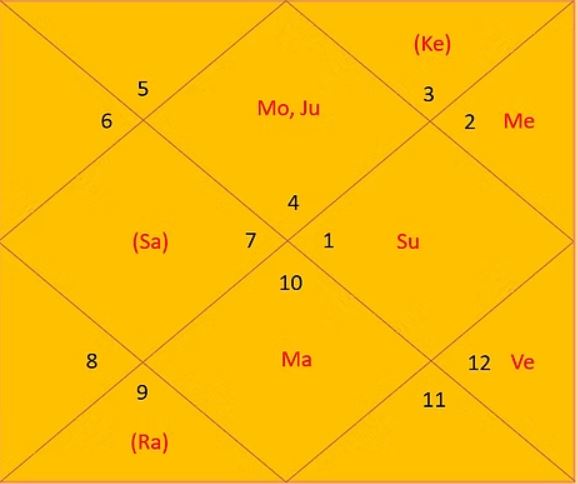
Lord Rama Chart: Deeper Study Row
This row is reserved for classical reference reading. In the Rama framework, relationship dharma is studied through strength of the 7th house, dignity of the 7th lord, and benefic support from Guru-like influences.
The purpose of this example is not imitation, but calibration: how to separate attraction from commitment, and commitment from duty.
- Check 7th house condition in D-1 and D-9.
- Check 7th lord strength, combustion, retrograde, and aspect patterns.
- Check Venus and DK for relationship maturity and holding capacity.
- Confirm timing through dasha activation plus transit triggers.
Applied Relationship Checklist
Use this row as a practical decision layer before finalizing marriage or partnership agreements.
- Emotional consistency: stable response under stress.
- Value alignment: money, family, duty, and long-term goals.
- Conflict style: whether disagreements become dialogue or damage.
- Social compatibility: ability to stand together publicly.
- Timing fit: whether current dasha/transit supports stability.
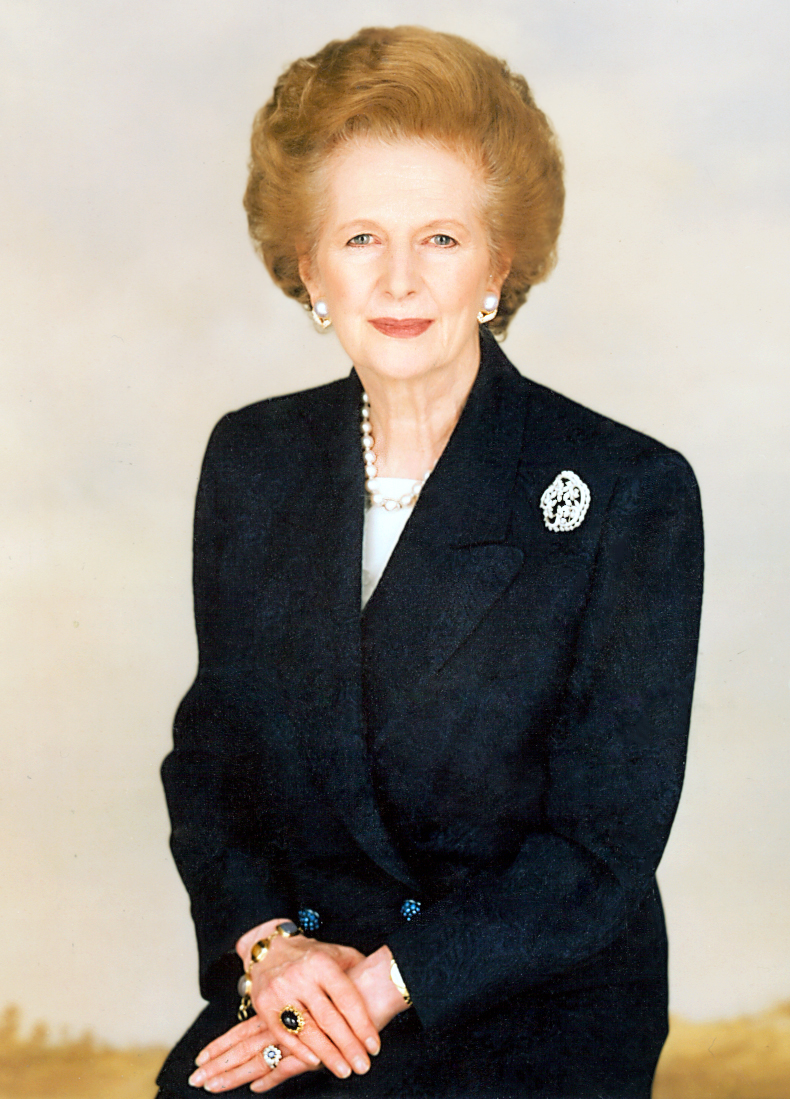
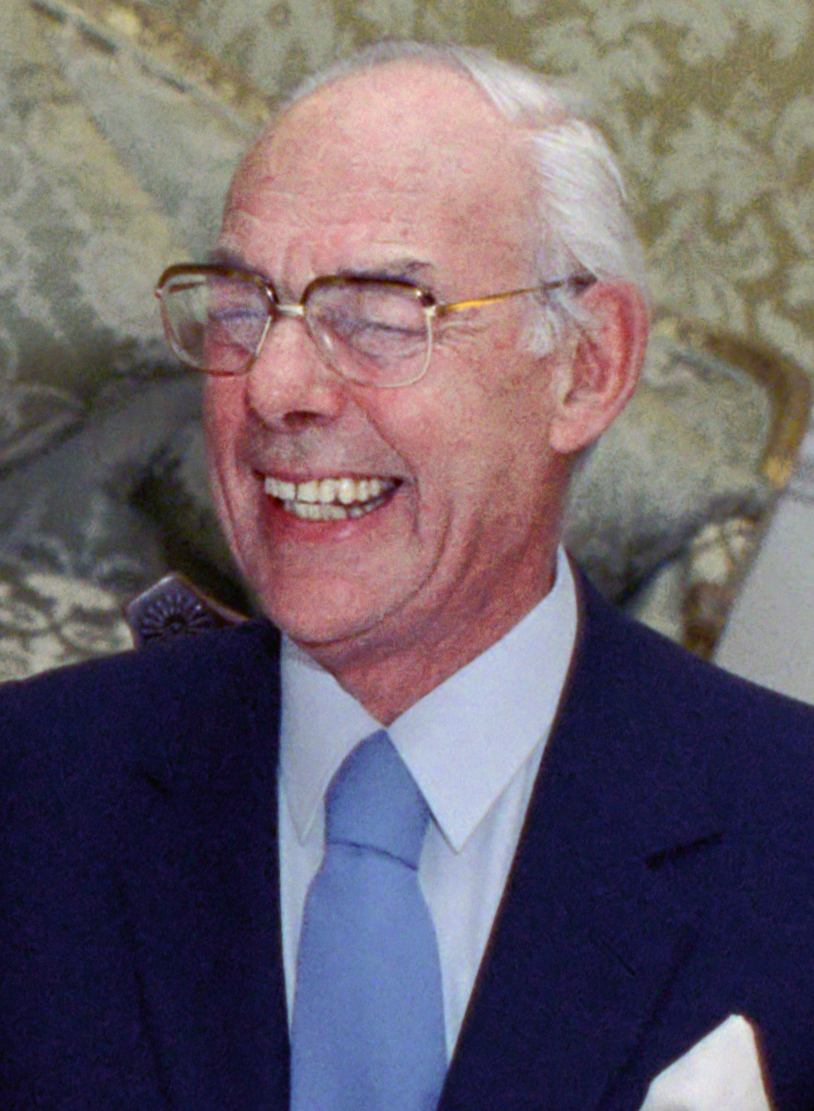
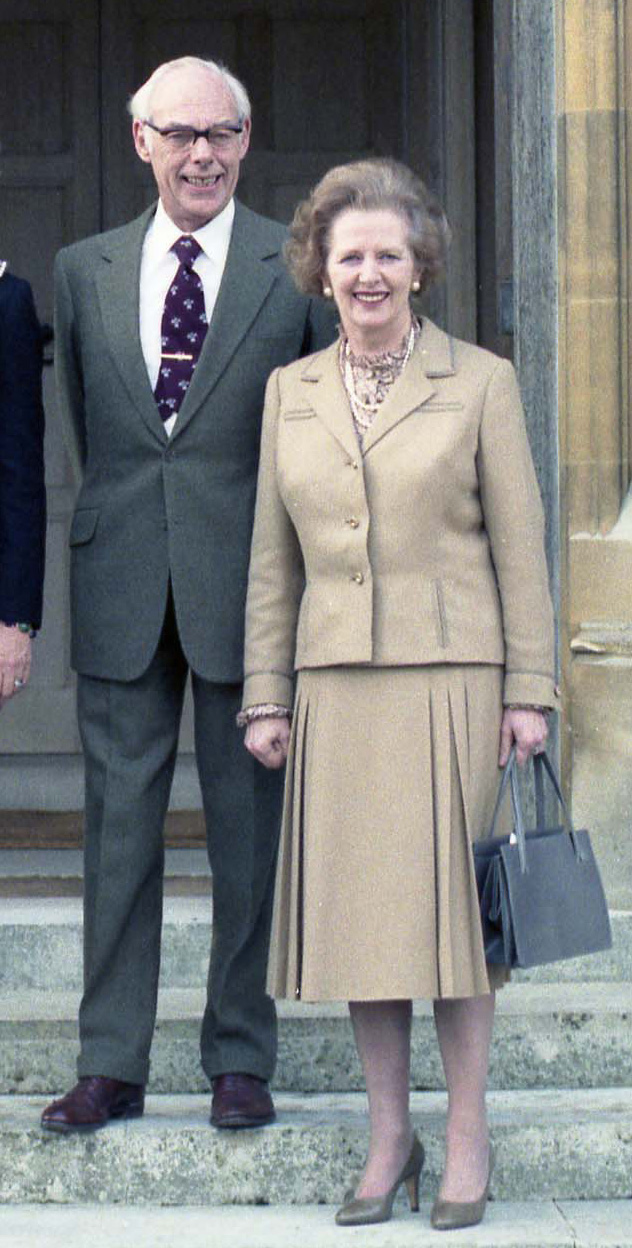
Case Study: Margaret Thatcher’s Marriage Timing
Margaret Thatcher (UK’s first female Prime Minister, “Iron Lady,” longest-serving 20th-century leader, architect of free-market reforms, won the 1982 Falklands War) is a classic example. She married Denis Thatcher on 13 December 1951.
Read the full breakdown here: Margaret Thatcher Marriage Timing Case Study.
- Dasha Sequence: Marriage occurred during her Venus-Venus period, a classic marriage-supporting dasha for women, especially when Venus is strong or well-placed.
- Transit Triggers: At the time of marriage, key transits activated her 7th house and Venus, supporting partnership and public union.
- Navamsa (D9): Her Navamsa chart shows strong Venus and supportive 7th house factors, confirming the marriage window.
- Teaching Point: This case demonstrates the convergence of dasha, transit, and divisional chart logic for reliable marriage timing.


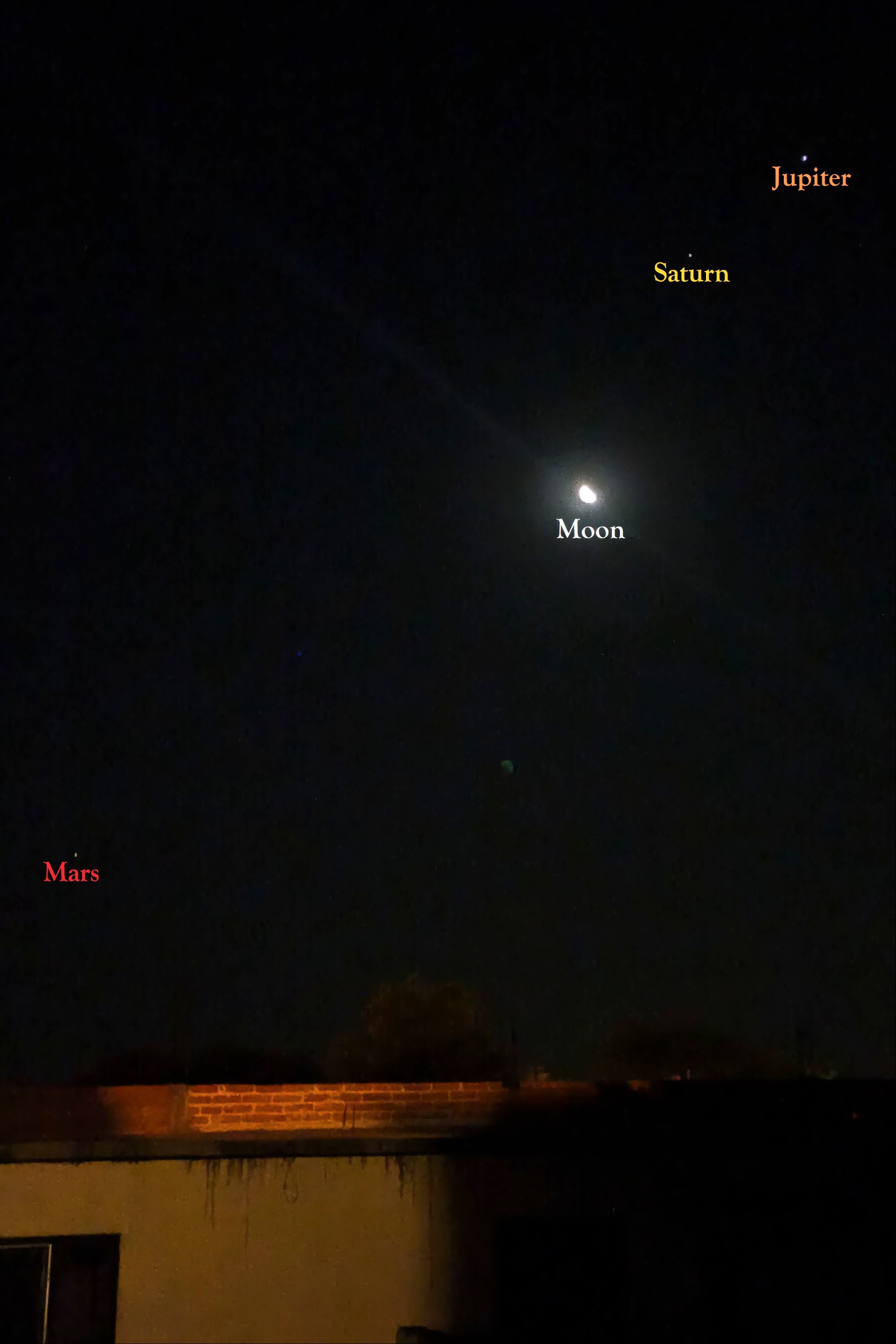
Guru Mangal Yoga: Mars & Jupiter in 7th from Moon
Guru Mangal Yoga is a classic Vedic combination formed when Mars and Jupiter are together in the 7th house from the Moon. This yoga is known for energizing marriage partnerships with ambition, learning, and mutual respect. It often brings a dynamic, growth-oriented relationship, blending Mars’ drive with Jupiter’s wisdom. In expert practice, this yoga is considered highly favorable for those seeking a supportive, energetic, and inspiring life partner.
Simple Remedies (Supportive, Not Superstitious)
Strengthen relationship outcomes through disciplined communication, clear agreements, consistent routines, and respectful boundaries. Spiritual remedies are supportive when paired with responsible action.

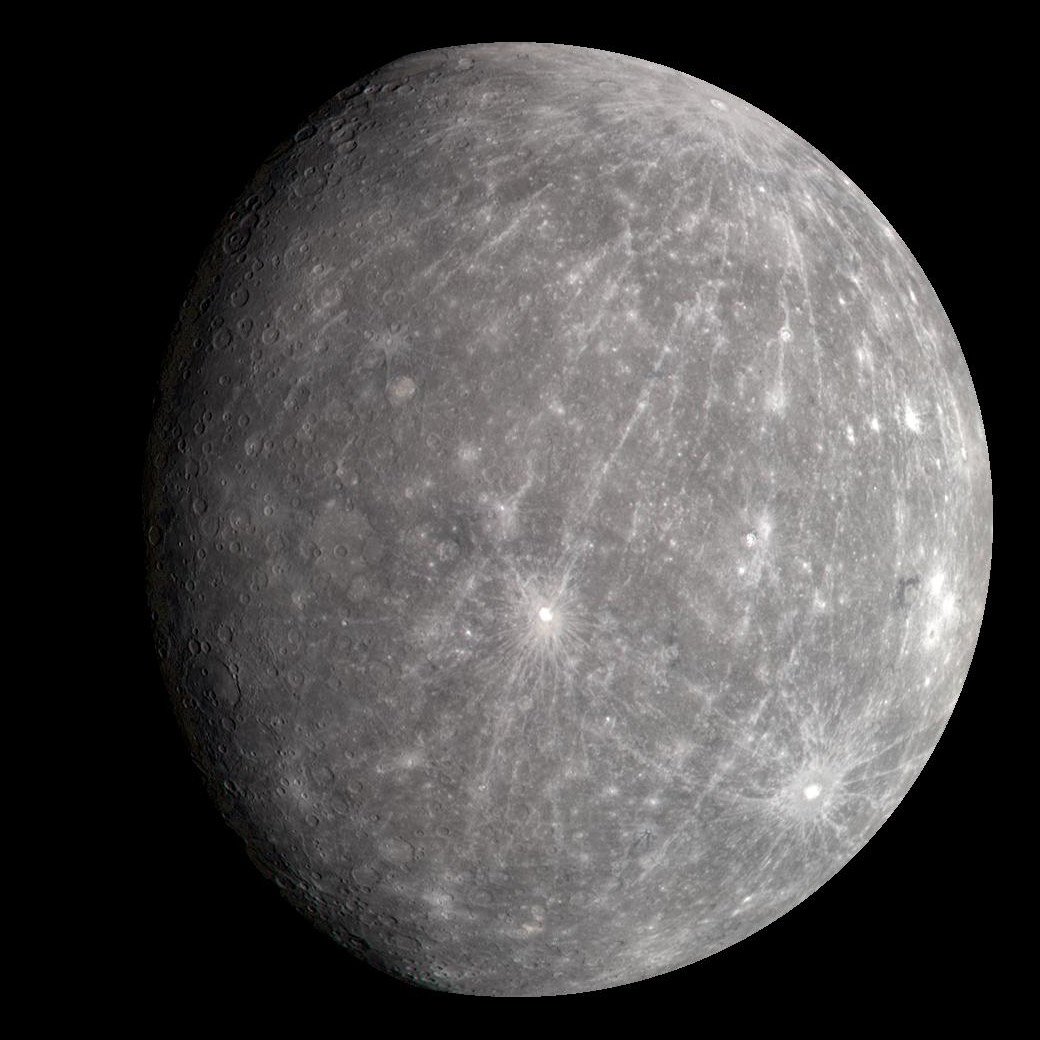

Classic Yoga: Venus + Mercury in the 7th from Moon
- When both Venus and Mercury are placed together in the 7th house from the Moon, it forms a yoga for harmonious, communicative, and affectionate partnerships.
- This combination often brings a spouse who is charming, witty, and supportive of intellectual and artistic pursuits.
- Marriage tends to be based on mutual understanding, playful dialogue, and shared creative interests.
- This yoga is especially favorable for those seeking a partner who values both love and learning.
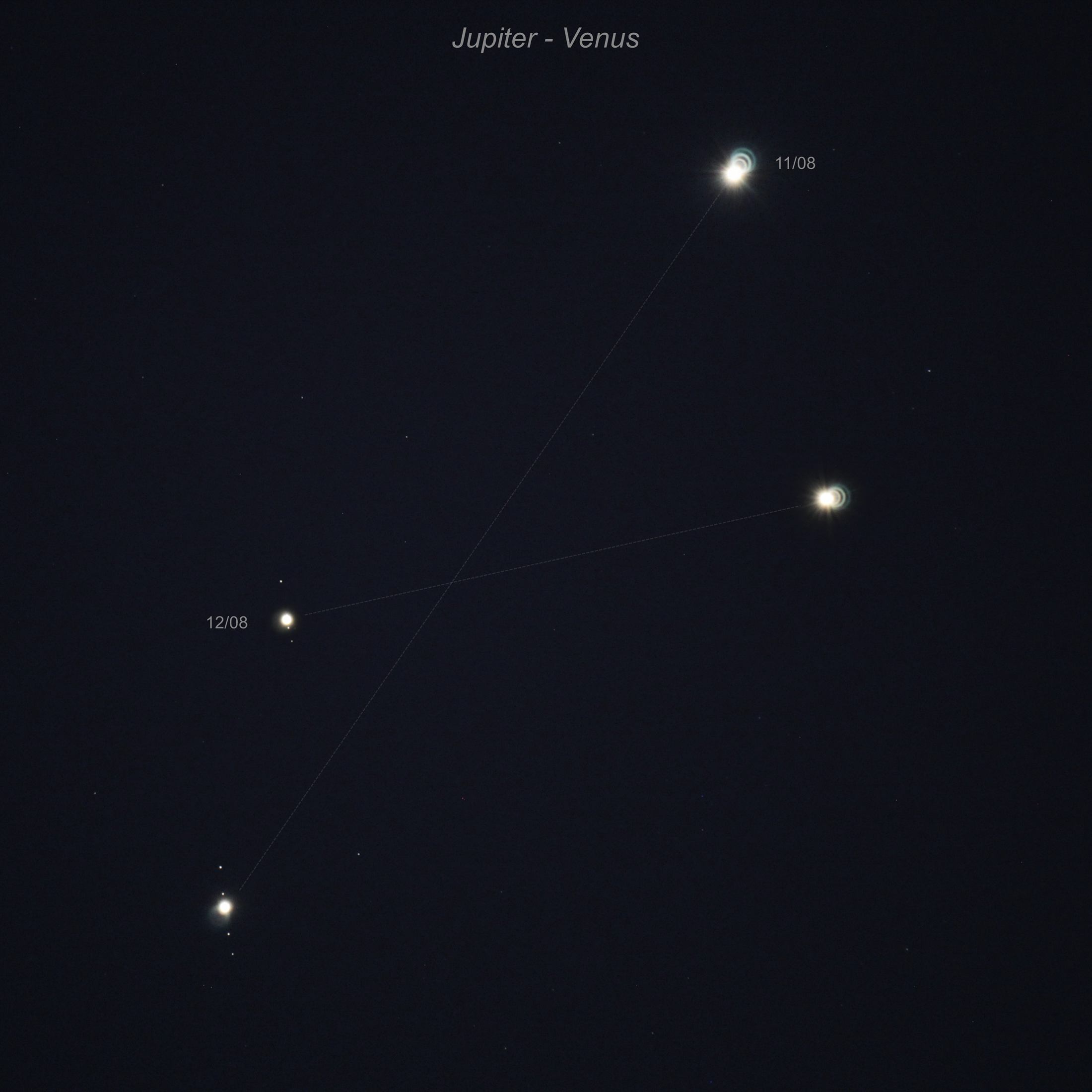
Classic Yoga: Jupiter + Venus in the 7th from Moon
- When Jupiter and Venus are together in the 7th house from the Moon, it creates a highly auspicious yoga for marriage.
- This yoga indicates a wise, loving, and prosperous partner, and a relationship based on mutual growth and happiness.
- The marriage is often marked by generosity, shared values, and a strong sense of purpose.
- This is one of the most favorable yogas for long-term harmony and abundance in partnership.
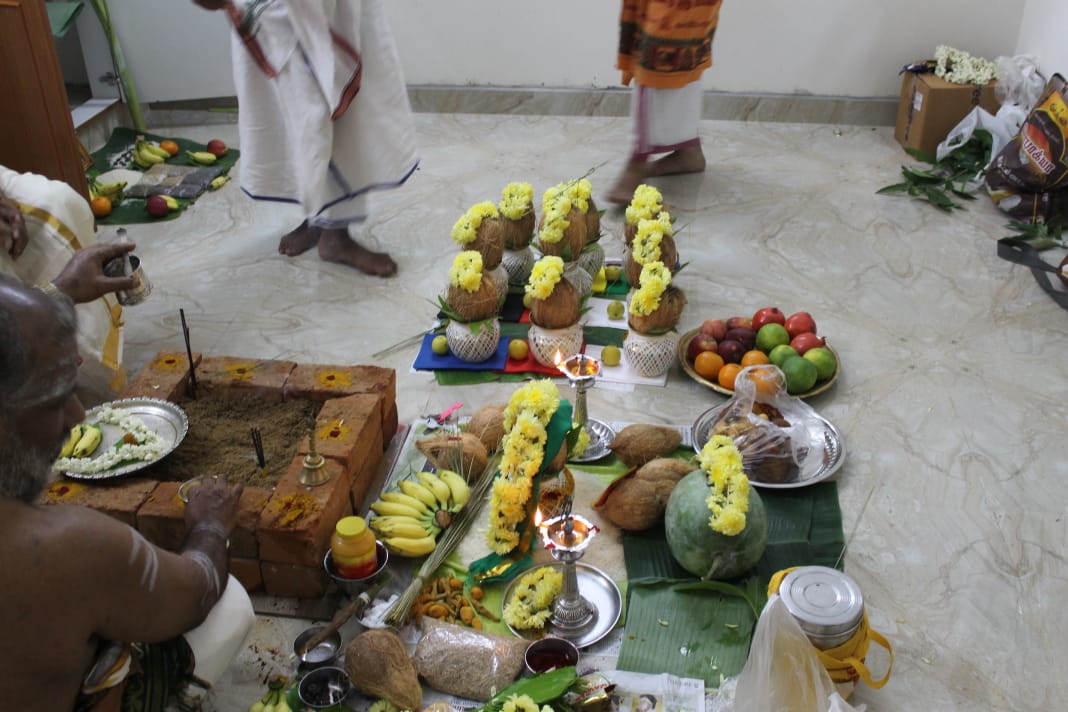
Classic Yoga: Rahu + Venus in the 7th from Moon
- When Rahu and Venus are together in the 7th house from the Moon, it can bring unconventional, cross-cultural, or fated relationships.
- This yoga often produces strong attraction, transformative experiences, and a desire to cross social or psychological boundaries in partnership.
- Marriage may involve sudden or unexpected events, or a partner from a very different background.
- This yoga is especially relevant for those seeking a relationship that challenges norms and brings deep personal growth.
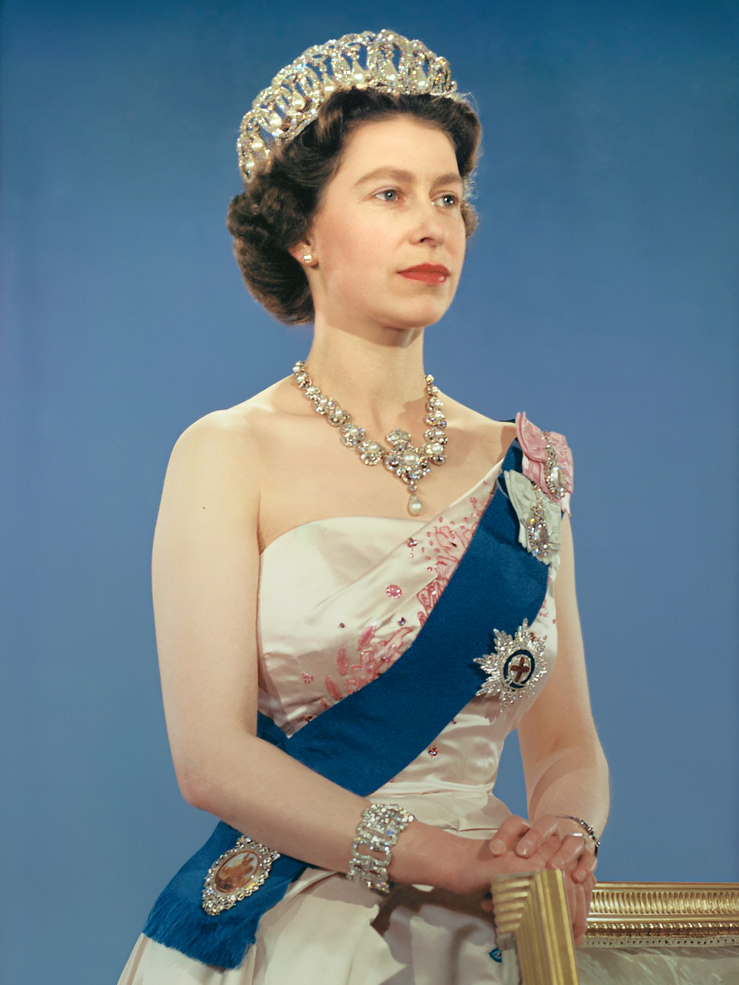
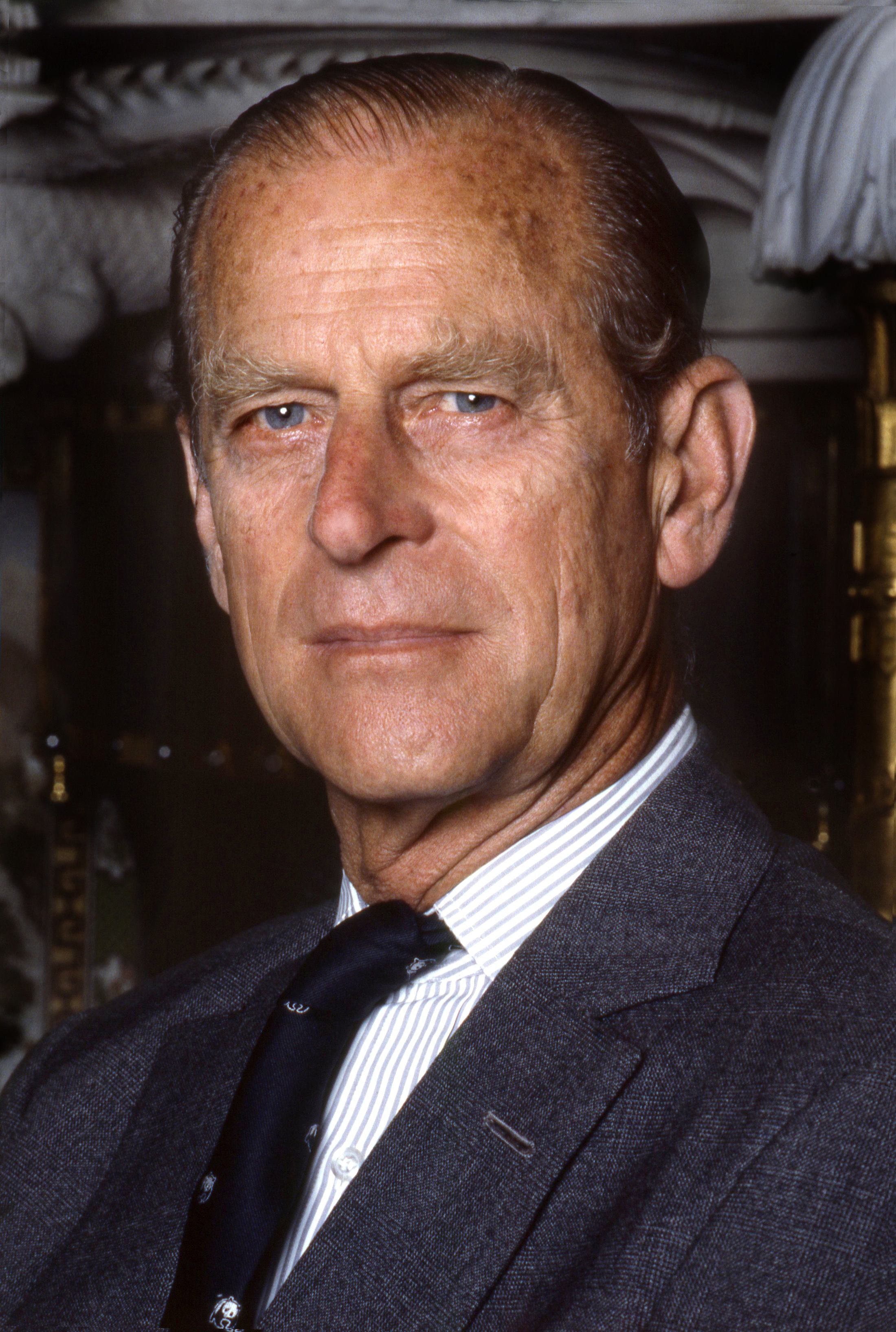
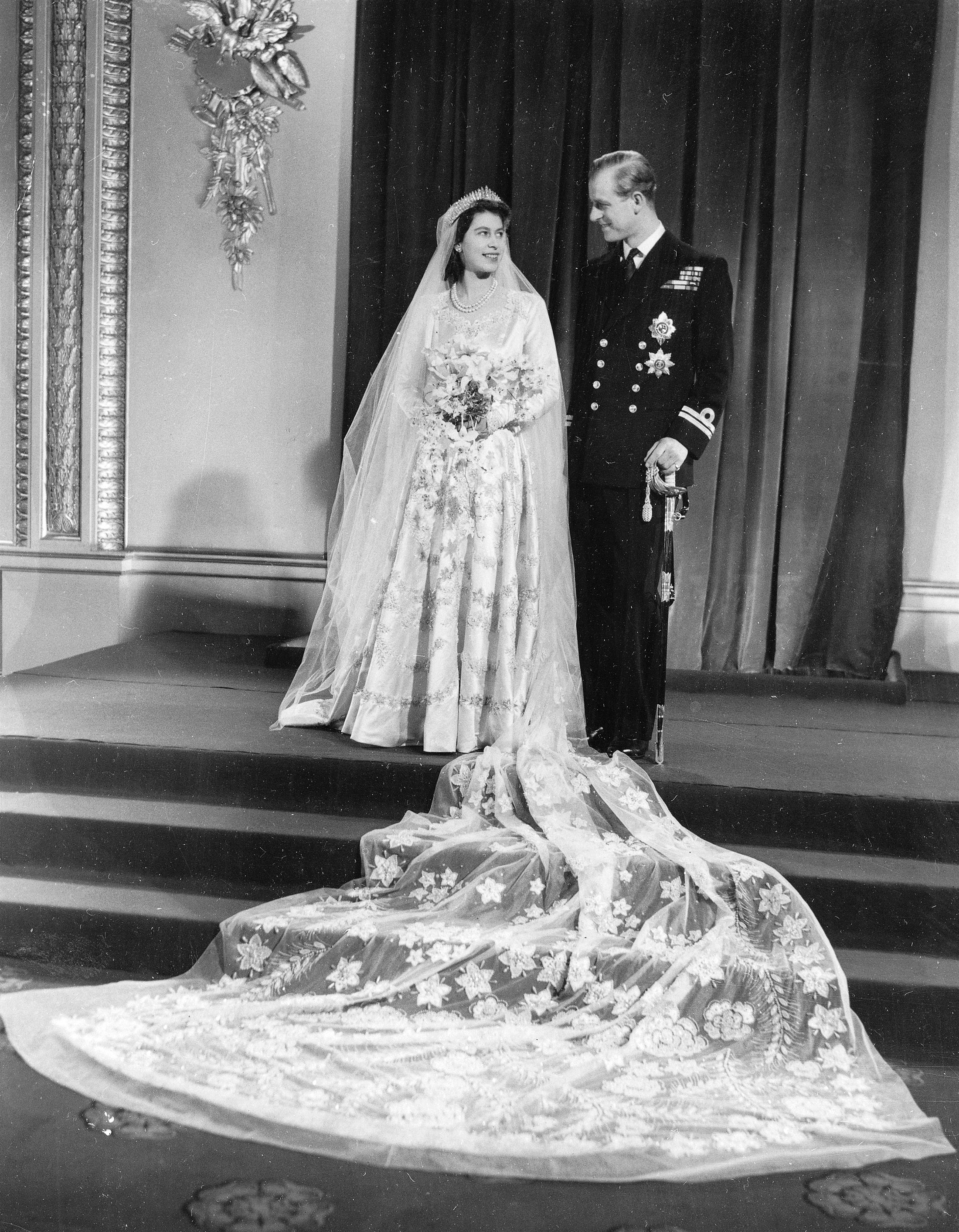
Case Study: Queen Elizabeth II’s Marriage Timing
Queen Elizabeth II (UK’s longest-reigning monarch, married Prince Philip in 1947) is a classic example of 7th from Moon activation. She married during her Venus dasha, with strong 7th house factors from the Moon and Navamsa chart.
Full case page: Queen Elizabeth II Marriage Timing Case Study.
- Dasha Sequence: Marriage occurred during her Venus period, a classic marriage-supporting dasha, with Venus influencing the 7th from Moon.
- Transit Triggers: Key transits activated her 7th house from Moon, supporting partnership and public union.
- Navamsa (D9): Her Navamsa chart shows strong Venus and supportive 7th house factors, confirming the marriage window.
- Teaching Point: This case demonstrates the importance of the 7th from Moon in reliable marriage timing.
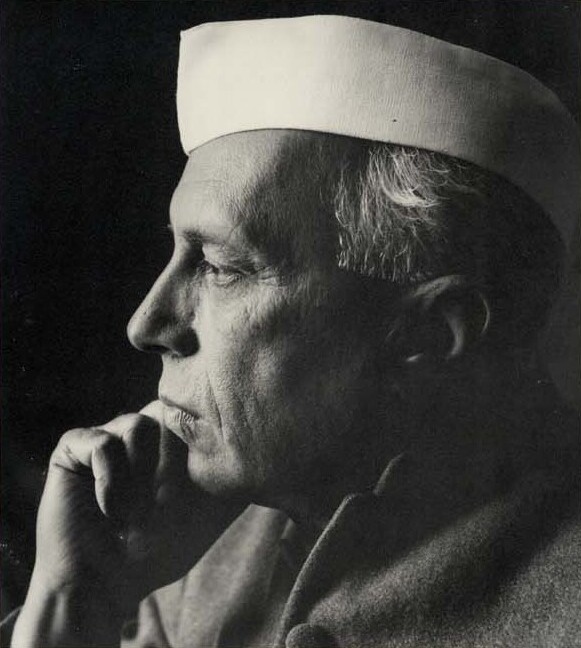
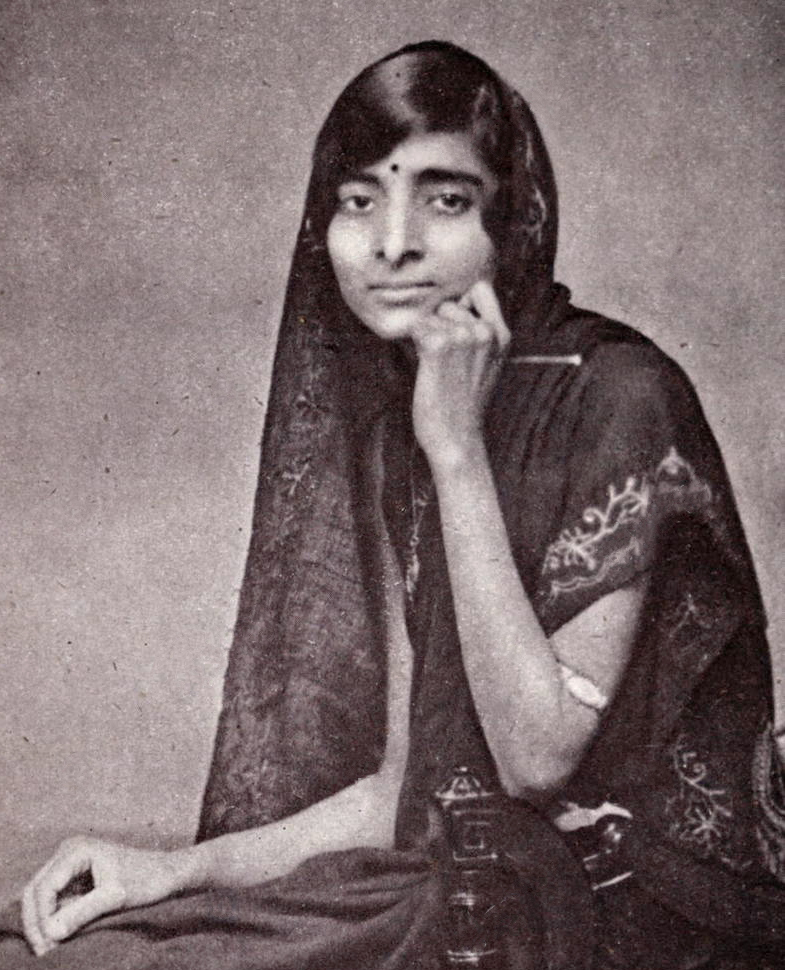
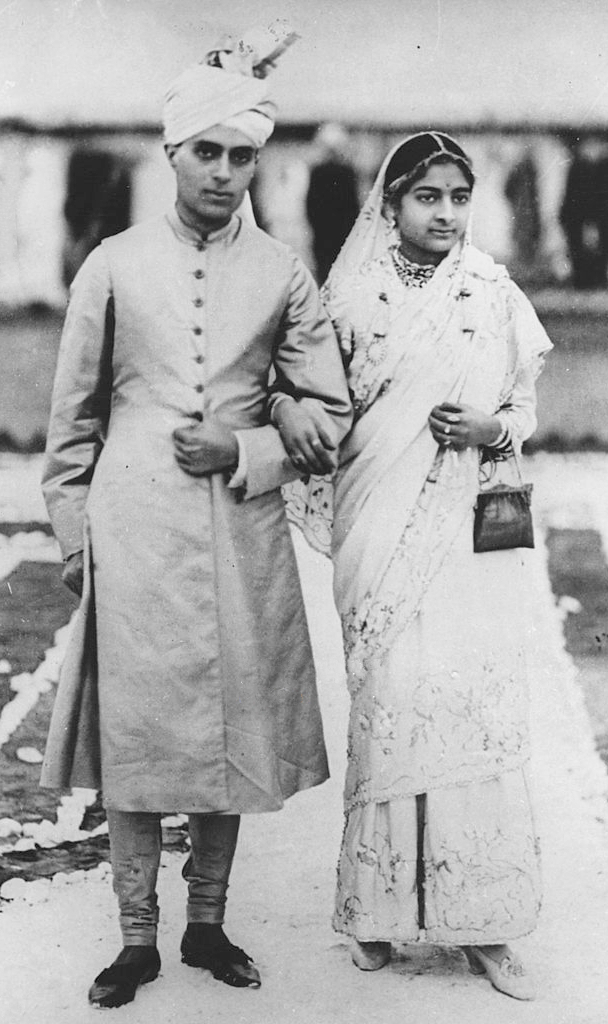
Case Study: Jawaharlal Nehru’s Marriage Timing
Jawaharlal Nehru (India’s first Prime Minister, married Kamala Nehru in 1916) is a strong example of 7th from Moon activation. He married during a Venus/Rahu dasha, with clear 7th house triggers from the Moon.
Full case page: Jawaharlal Nehru Marriage Timing Case Study.
- Dasha Sequence: Marriage occurred during a Venus/Rahu period, with Venus and Rahu influencing the 7th from Moon.
- Transit Triggers: Key transits activated his 7th house from Moon, supporting partnership and marriage.
- Navamsa (D9): His Navamsa chart shows supportive 7th house factors, confirming the marriage window.
- Teaching Point: This case highlights the role of the 7th from Moon and nodal triggers in marriage timing.
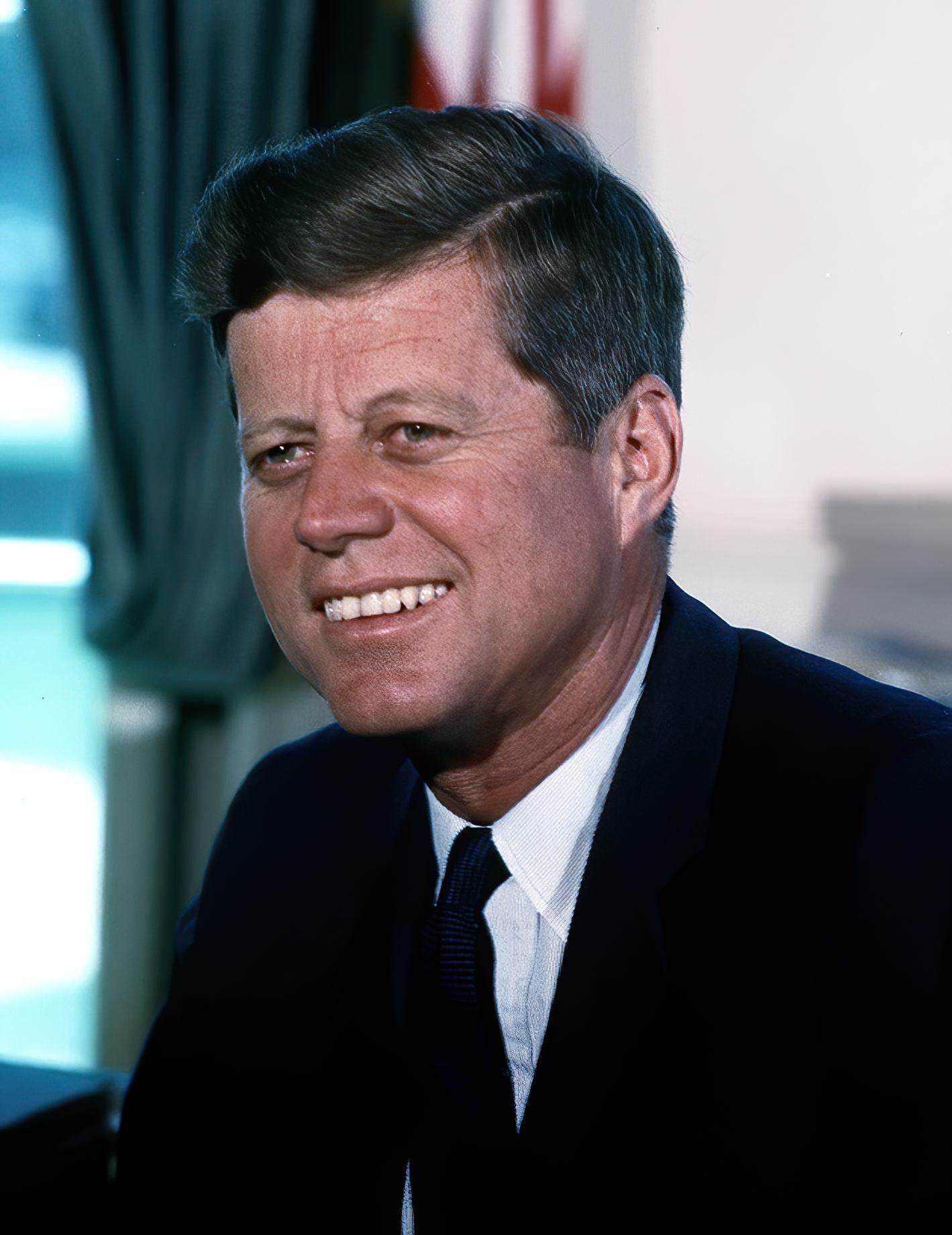
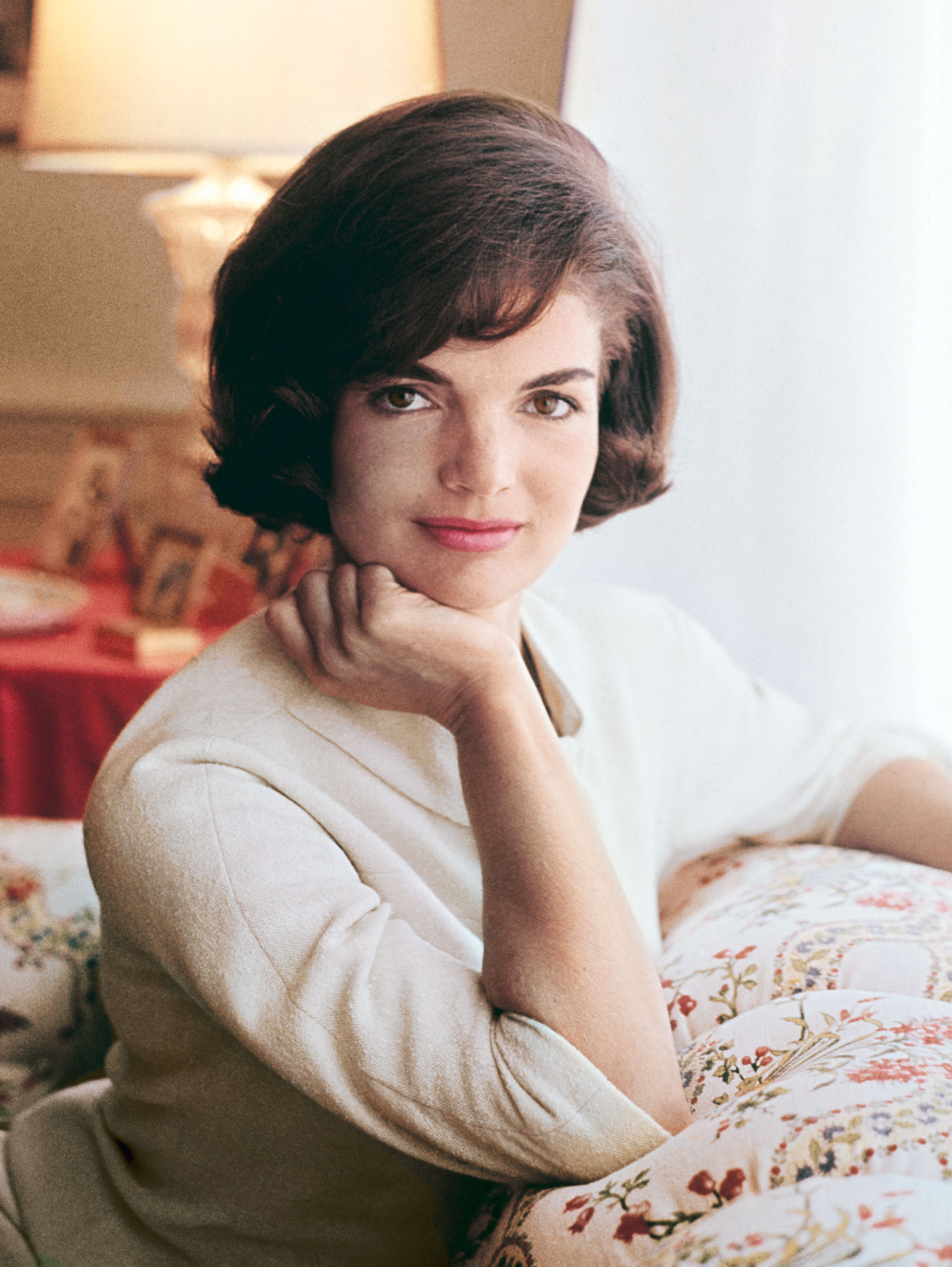
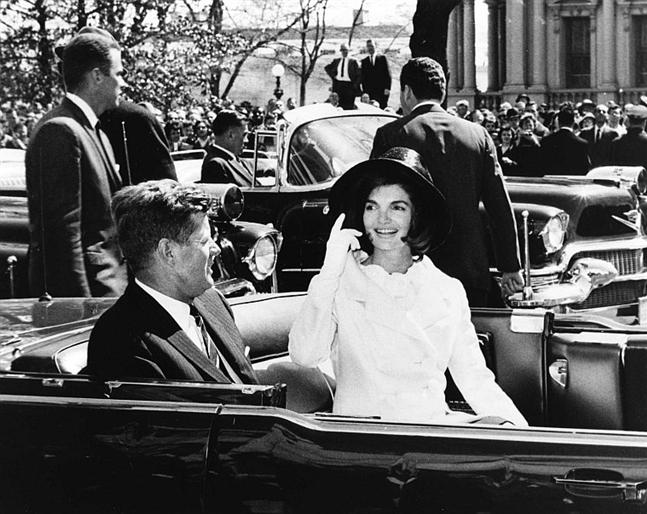
Case Study: John F. Kennedy’s Marriage Timing
John F. Kennedy (35th President of the USA, married Jacqueline Kennedy in 1953) is a notable example of 7th from Moon activation. He married during his Venus dasha, with strong 7th house factors from the Moon and Navamsa chart.
Full case page: John F. Kennedy Marriage Timing Case Study.
- Dasha Sequence: Marriage occurred during his Venus period, with Venus influencing the 7th from Moon.
- Transit Triggers: Key transits activated his 7th house from Moon, supporting partnership and public union.
- Navamsa (D9): His Navamsa chart shows strong Venus and supportive 7th house factors, confirming the marriage window.
- Teaching Point: This case demonstrates the convergence of dasha, transit, and 7th from Moon logic for reliable marriage timing.
Classic Yoga: Saturn + Venus in the 7th from Moon
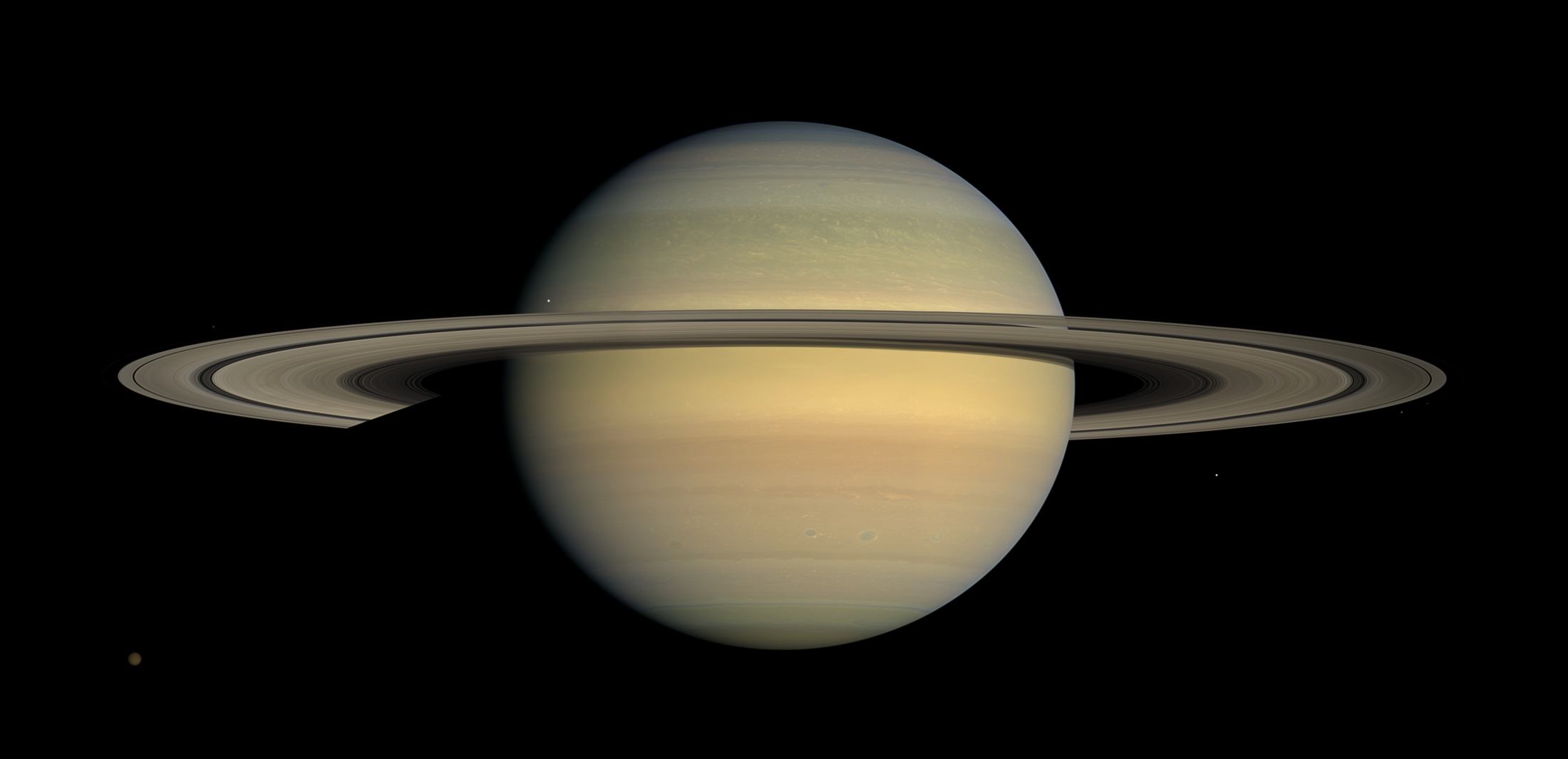
- When Saturn and Venus are together in the 7th house from the Moon, it gives a practical and duty-oriented marriage pattern.
- This yoga often shows delayed but serious commitment, with focus on stability, responsibility, and long-term structure.
- Emotional expression may be measured, but partnership endurance is usually strong when values align.
- It is favorable for people seeking a reliable, mature, and disciplined life partner.
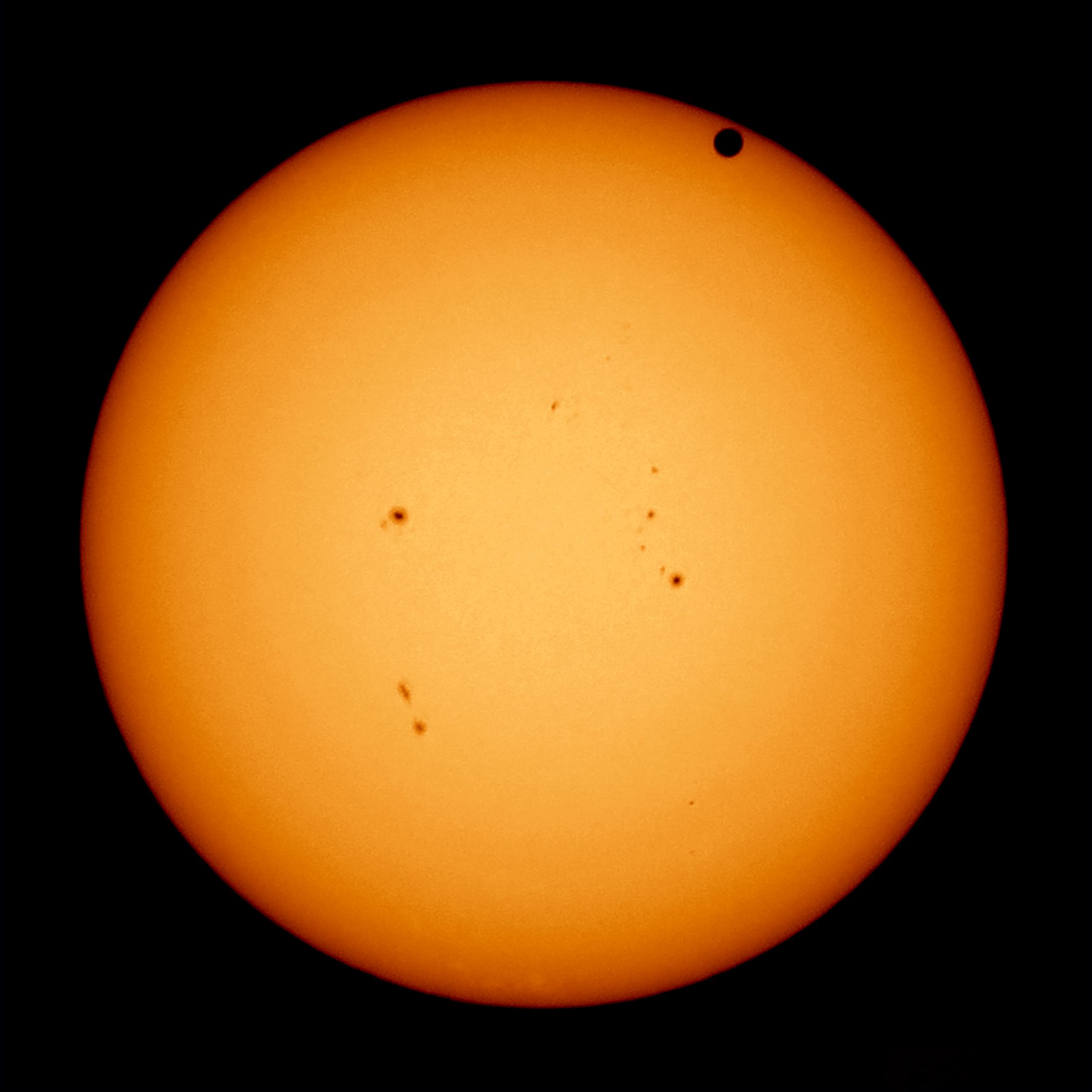
Classic Yoga: Sun + Venus in the 7th from Moon
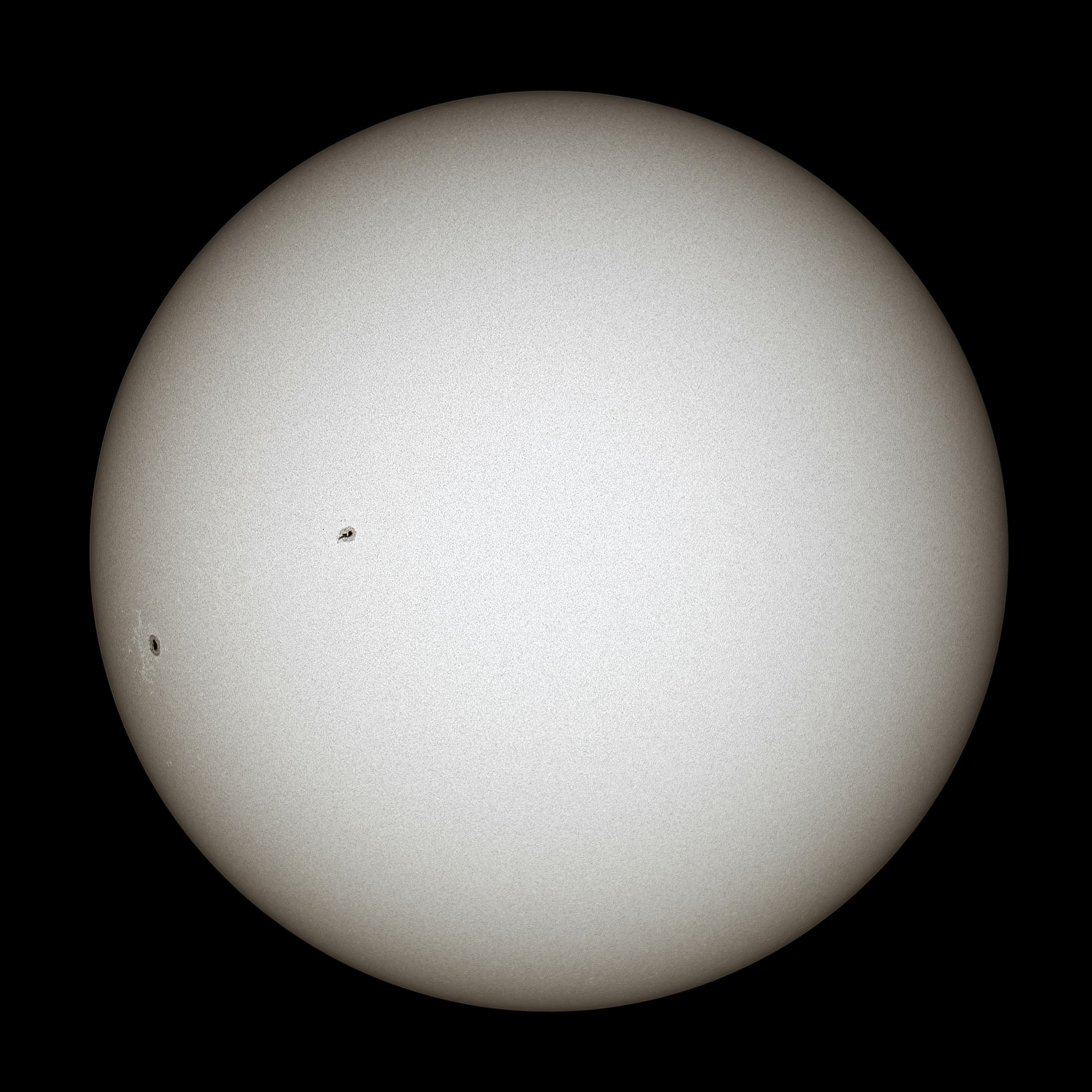
- When Sun and Venus join in the 7th from Moon, marriage themes become visible, status-linked, and socially recognized.
- This yoga can bring a partner with leadership traits, public visibility, or strong self-identity.
- The relationship often requires balance between personal ego and shared harmony.
- With supportive dasha and transit, this combination can give a dignified and influential union.

Classic Yoga: Mercury + Jupiter in the 7th from Moon
- When Mercury and Jupiter are placed together in the 7th from Moon, it supports intelligent, ethical, and growth-driven partnership.
- This yoga often gives a spouse who is thoughtful, educated, and cooperative in decision-making.
- Marriage outcomes improve through dialogue, learning, and respect for shared principles.
- It is especially supportive for unions built on communication, mentorship, and long-term wisdom.

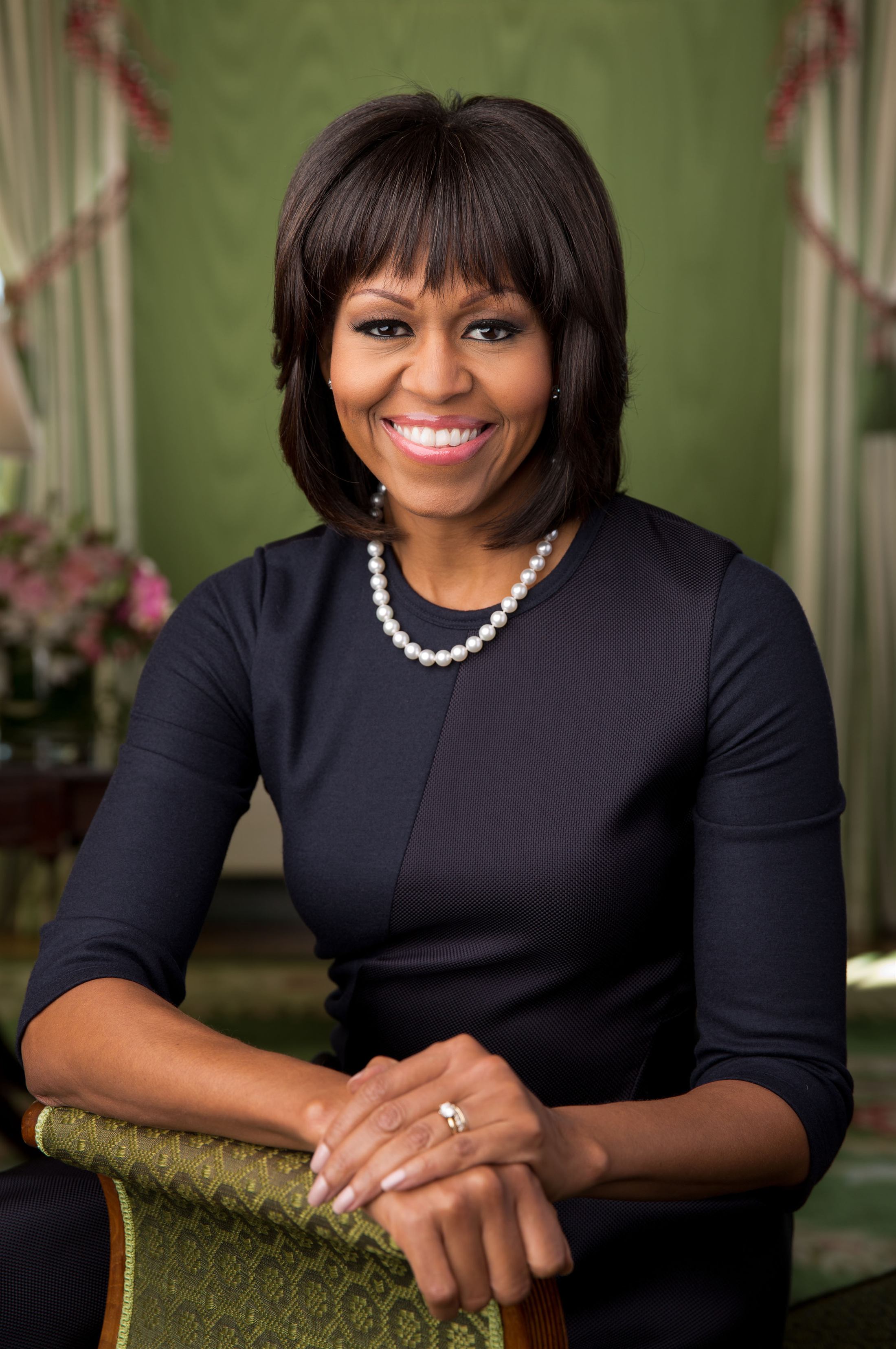
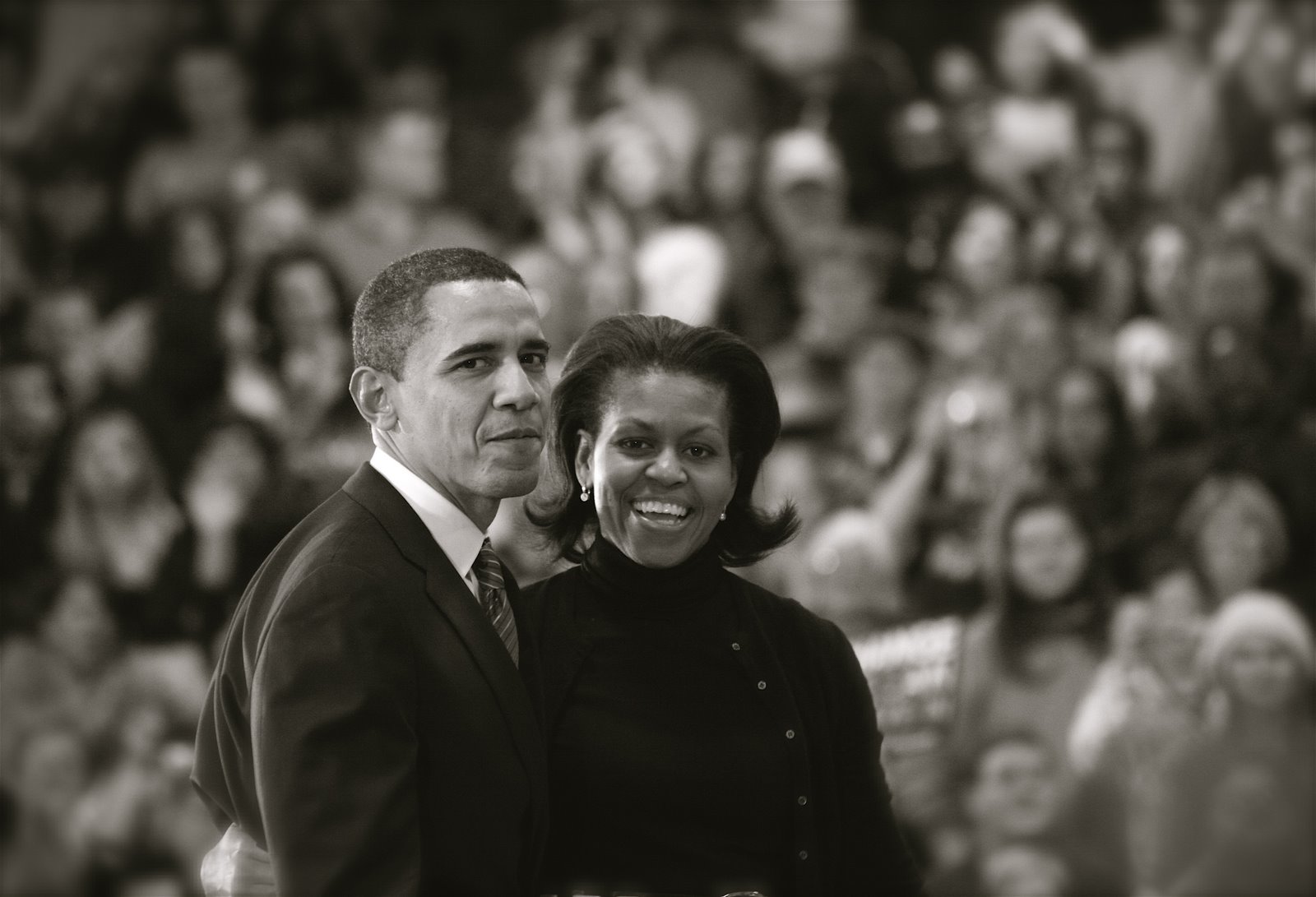
Case Study: Barack Obama’s Marriage Timing
Barack Obama (44th President of the USA, married Michelle Obama in 1992) is used here as a modern teaching example for 7th from Moon marriage timing logic.
Full case page: Barack Obama Marriage Timing Case Study.
- Timing Model: marriage windows are judged through 7th-from-Moon activation plus supportive Venus-linked periods.
- Transit Layer: nodal and benefic transit contact to Moon-related partnership points is treated as a practical event trigger.
- Divisional Check: D9 confirmation is used before final timing judgment.
- Teaching Point: modern public marriages are best read using a convergence method, not a single factor.
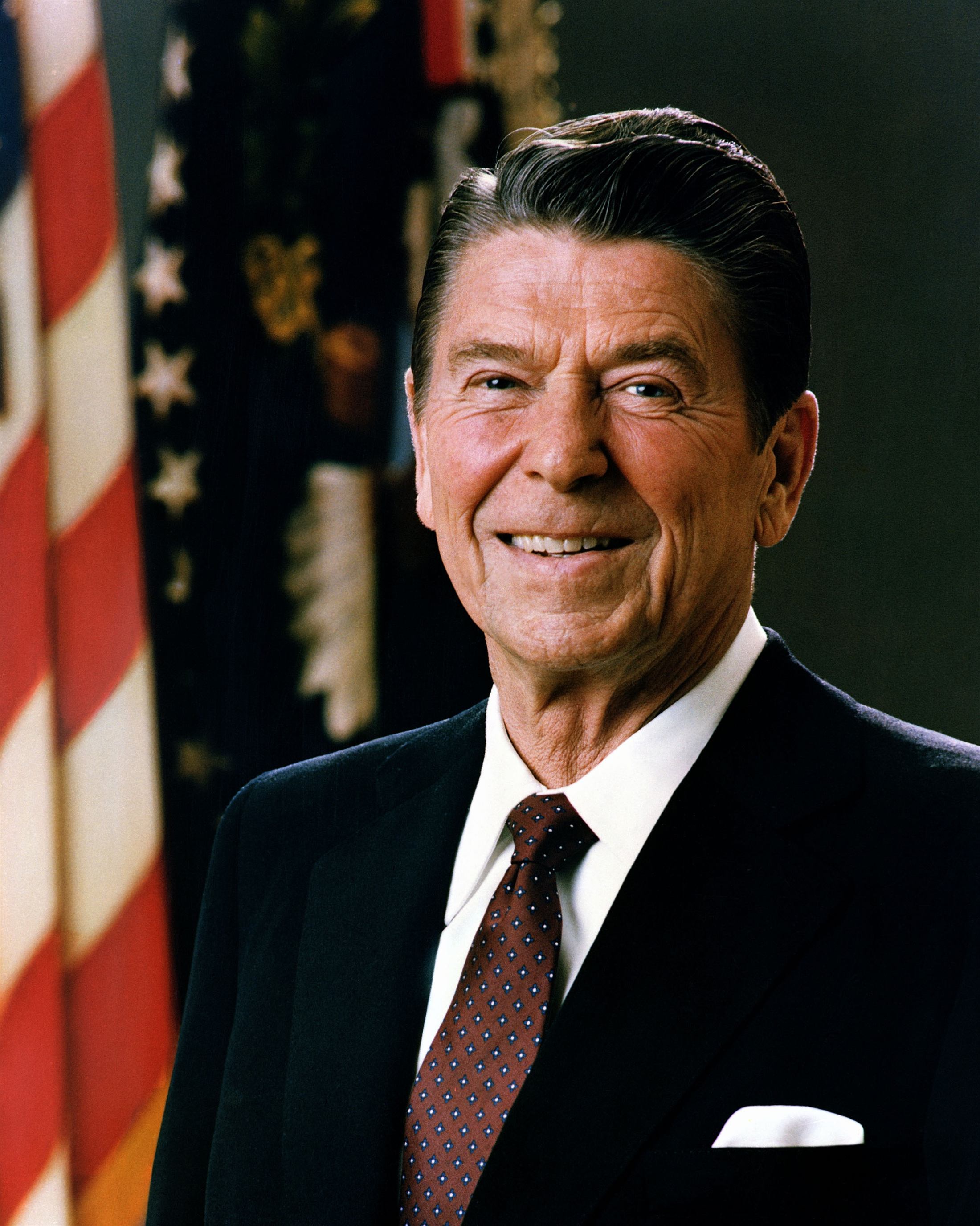
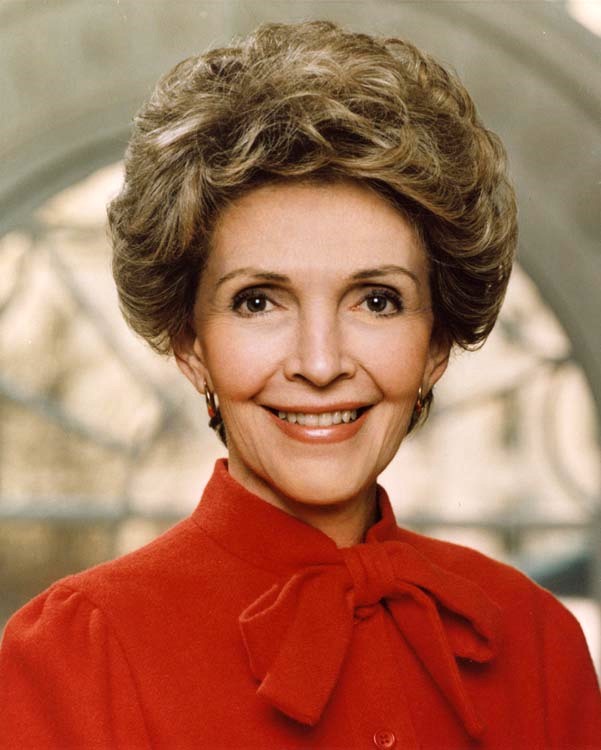
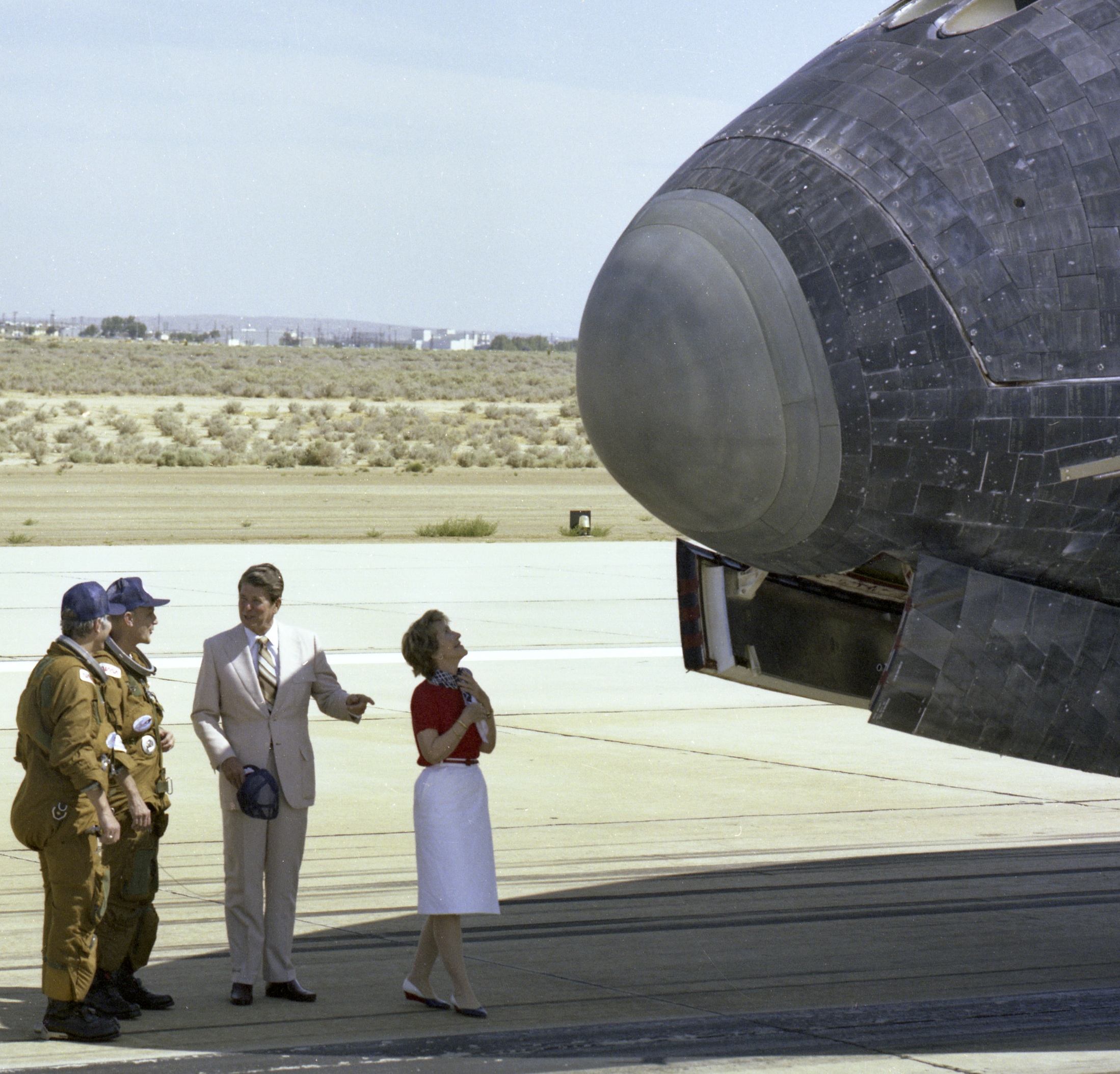
Case Study: Ronald Reagan’s Marriage Timing
Ronald Reagan (40th President of the USA, married Nancy Reagan in 1952) is a useful case for studying 7th-from-Moon triggers in a second-marriage context.
Full case page: Ronald Reagan Marriage Timing Case Study.
- Dasha Logic: Venus and partnership-linked sub-periods are prioritized in second-marriage timing.
- Transit Support: strong public-union events often coincide with nodal or Jupiter contact to Moon-based partnership points.
- Navamsa (D9): D9 support helps separate temporary relationship momentum from stable marriage outcomes.
- Teaching Point: second marriages require stricter convergence checks for reliability.


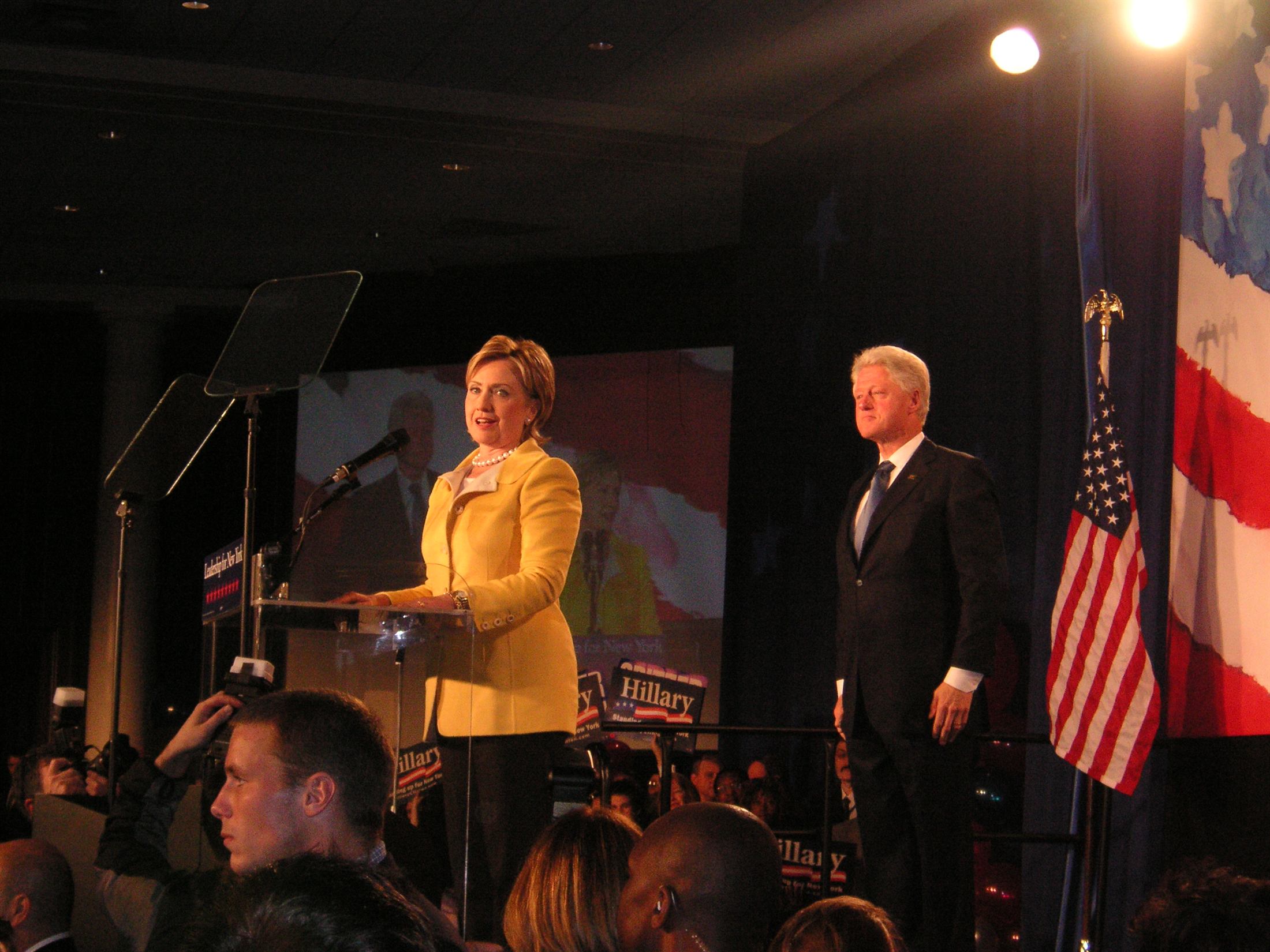
Case Study: Bill Clinton’s Marriage Timing
Bill Clinton (42nd President of the USA, married Hillary Rodham in 1975) is another public case for 7th-from-Moon marriage timing analysis.
Full case page: Bill Clinton Marriage Timing Case Study.
- Dasha Lens: Venus-linked or 7th-significator periods are treated as core windows for commitment.
- Transit Lens: marriage manifestation is strengthened when transit confirms Moon-based partnership houses.
- Divisional Lens: D9 validation is used to confirm durability and social formalization of union.
- Teaching Point: timing accuracy improves when dasha, transit, and Moon-based partnership logic agree.
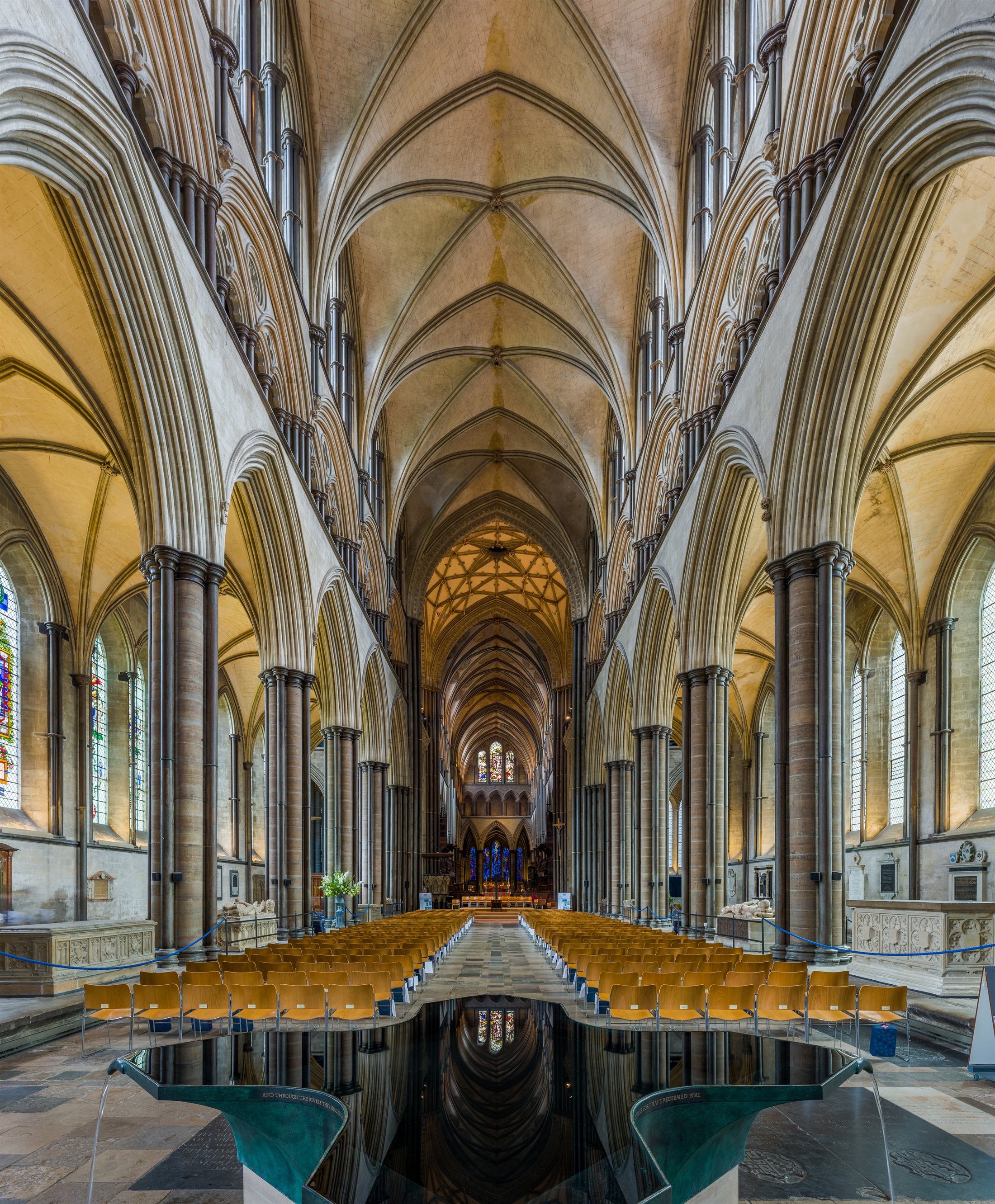
Church, Marriage, and the 7th House
The 7th house represents formal union, vows, and publicly witnessed commitment. A church setting symbolizes sacred partnership, social acknowledgment, and the step from private love to recognized marriage.
In Saptam Bhava terms, marriage is not only emotional bonding; it is also ritual, responsibility, and a covenant carried in front of family, community, and dharmic values.
Media Credits: Cathedral (CC BY-SA 3.0)



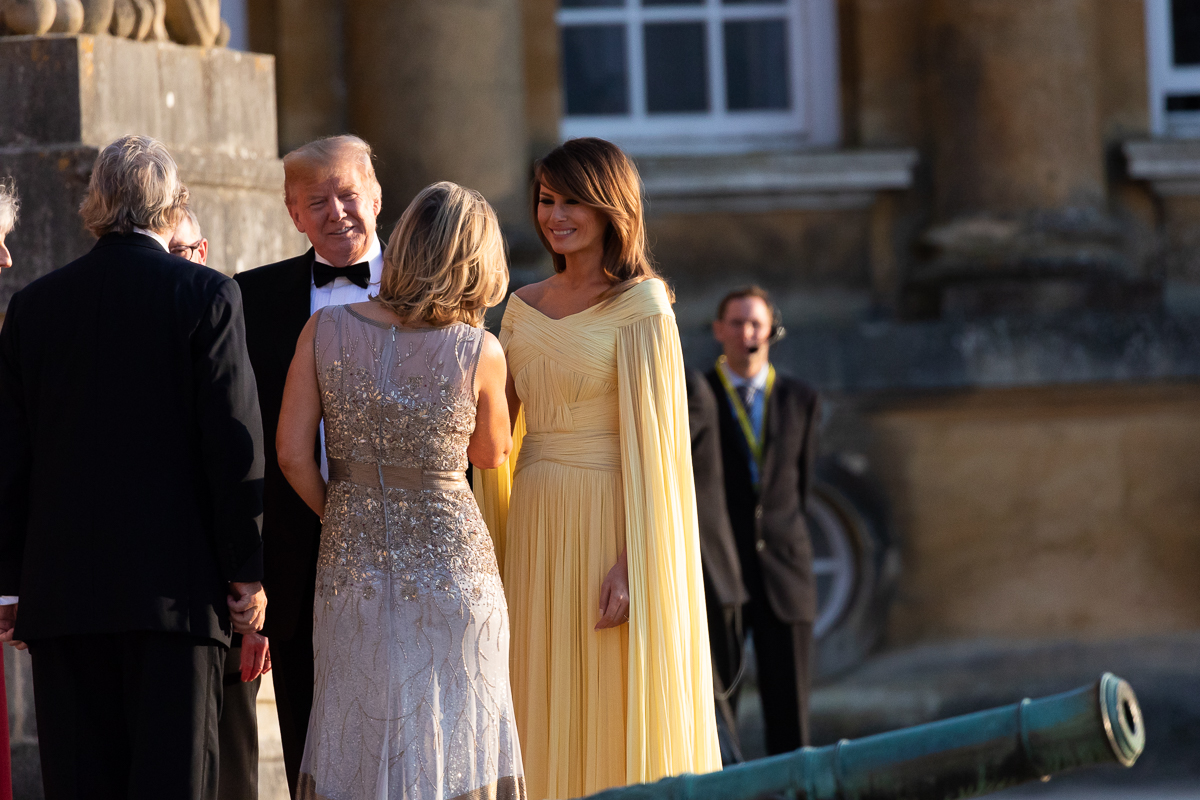
Case Study: Donald Trump’s Marriage Timeline Through 7th-House Lens
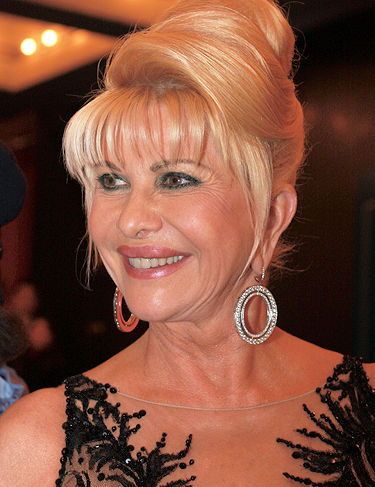
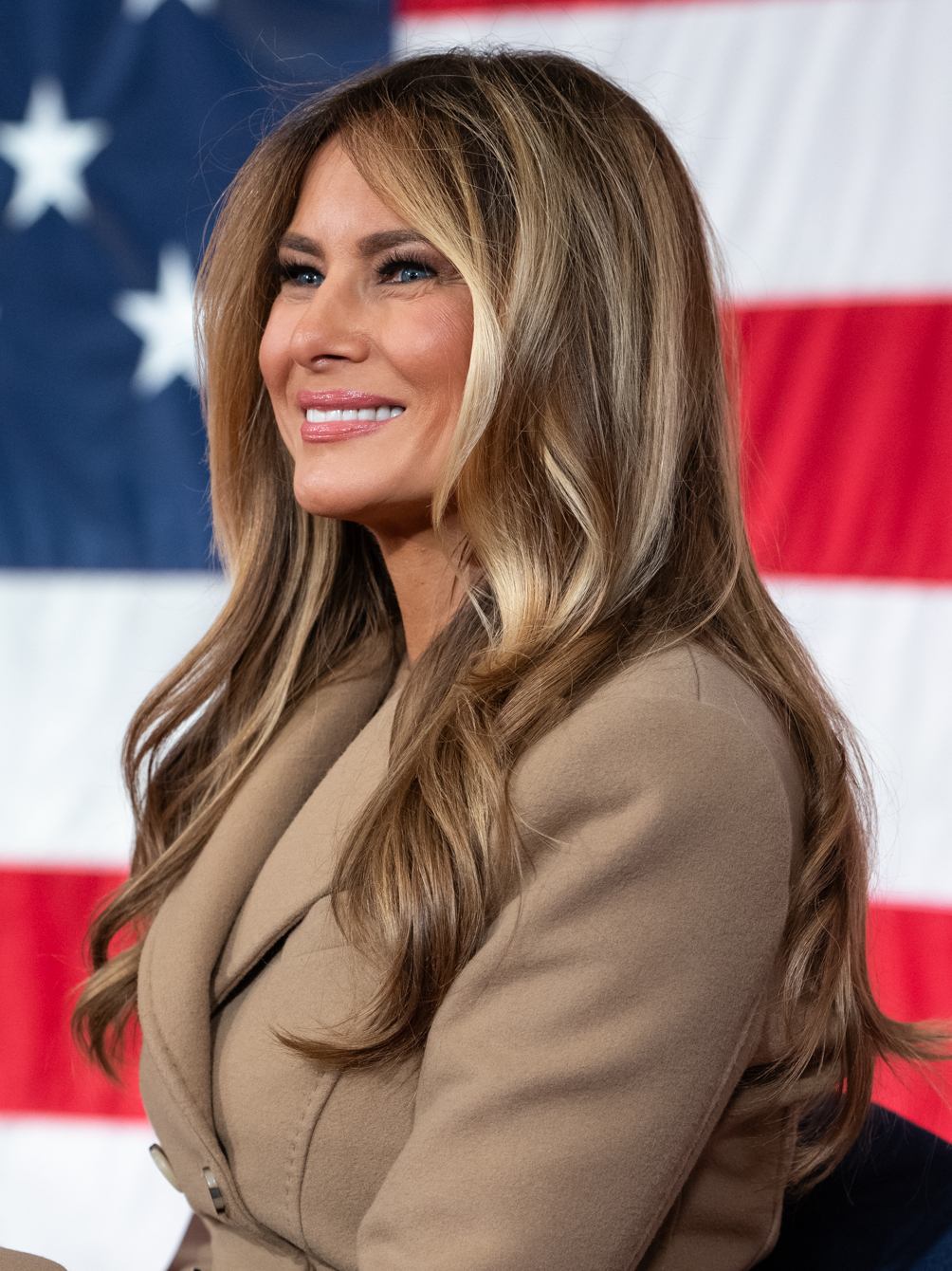
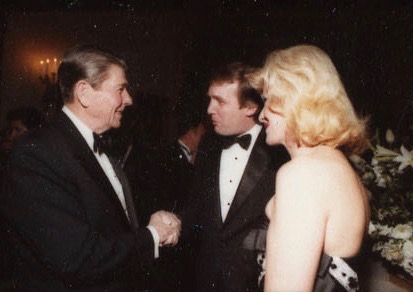
Donald Trump is a modern public example for studying multiple marriage phases through Saptam Bhava. His three marriages (Ivana, Marla, Melania) are useful for observing how partnership timing can manifest in distinct life periods.
Marriage dates and dasha-bhukti interpretation (Month Day, Year):
- Ivana Trump — April 7, 1977: In this analysis model, the marriage is read during Jupiter bhukti. Jupiter is treated as the 7th Navamsa lord, and the Jupiter sub-period under Sun dasha is interpreted as a direct partnership-activation window.
- Marla Maples — December 20, 1993: This marriage is interpreted in Saturn bhukti of Mars dasha. In practical Vedic timing work, Saturn can trigger marriage under duty, pressure, remarriage context, scarcity psychology, or social obligation. Saturn is also treated here as an important Dara Karaka factor.
- Melania Trump — January 22, 2005: This marriage is also interpreted in Saturn bhukti, but under Rahu dasha. The reading remains consistent: Saturn can formalize union through responsibility, social structure, and practical pressure, with added emphasis from Saturn's Dara Karaka significance in this framework.
For readers searching Donald Trump marriage astrology and Trump-Melania relationship timing, this row highlights a practical 7th-house approach: relationship events appear in recurring windows, and each marriage phase can activate different dasha/transit signatures.
- Marriage sequence: multiple formal unions across separate timing windows.
- 7th-house teaching: one chart may show repeated partnership activation, not only one event.
- Node/Venus relevance: attraction phases and formal commitment phases can differ.
- Teaching point: timing must be read as recurring windows with context, maturity, and social conditions.
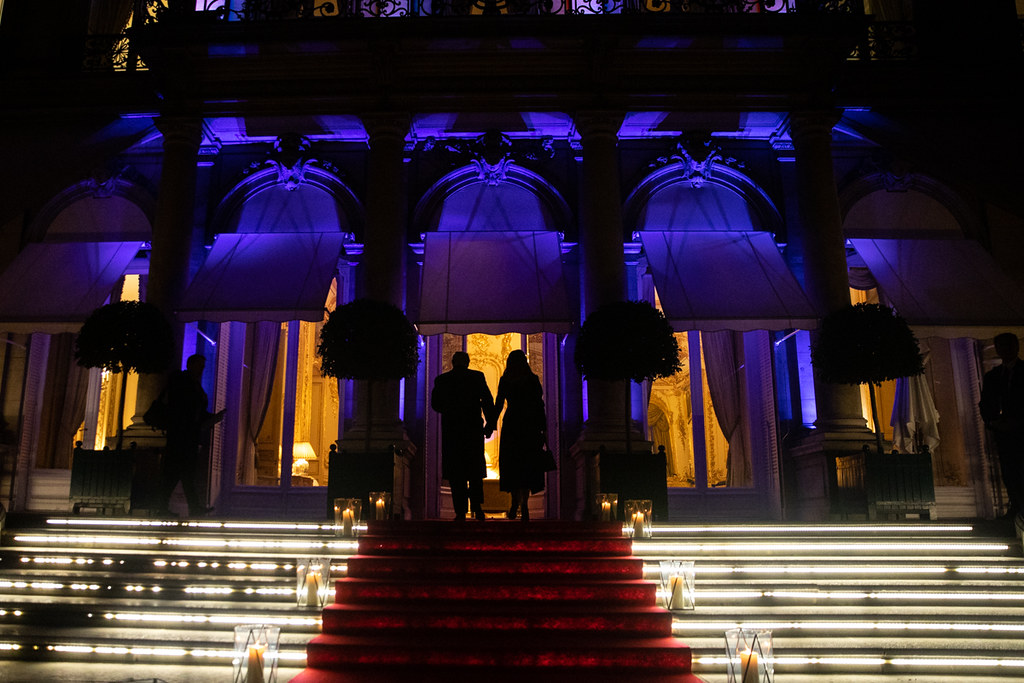
Media Credits: Donald & Melania (Wikimedia Commons) | Donald Trump portrait (Wikimedia Commons) | Ivana Trump (Wikimedia Commons) | Marla Maples (Wikimedia Commons) | Melania Trump (Wikimedia Commons) | Donald & Ivana (younger-era, Wikimedia Commons) | Donald & Melania (Flickr, CC BY) | Trump & Melania at Ambassador's Residence (White House, Public Domain)
Want your own marriage timing from your chart?
Book a paid Saptam Bhava reading for a clear dasha and transit timing answer.
Book Paid Marriage Timing ReadingOnly a few slots each day. Most messages get a reply in about 15 minutes during working hours.